

Industrial material handling · Project integration
Move what the process
depends on.
Fissure Tech connects industrial lifting, horizontal transfer and project delivery around one material route—from the first operating brief to the agreed export and site-support boundary.
- 01
- 02
- 03
- 04
One load.
Four operating boundaries.
The equipment changes as the load moves. The useful starting point is the route between waiting point, working zone, process station and final hand-off.
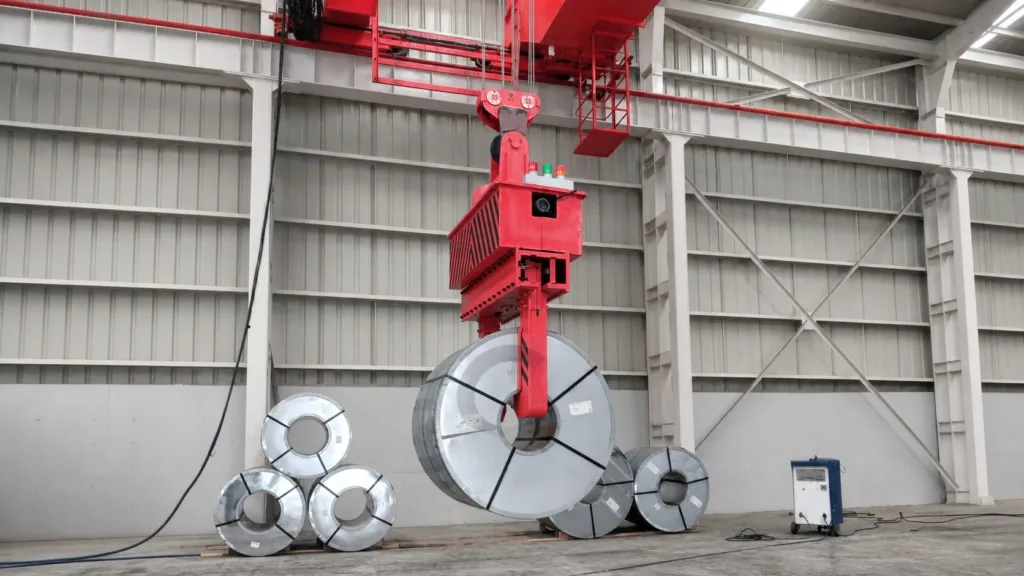
Establish the first stable lift. 01Start at the load's first waiting point.
Weight is only one input. Shape, centre of gravity, temperature, surface condition and the available attachment decide how the first lift can begin and where the load can wait safely.
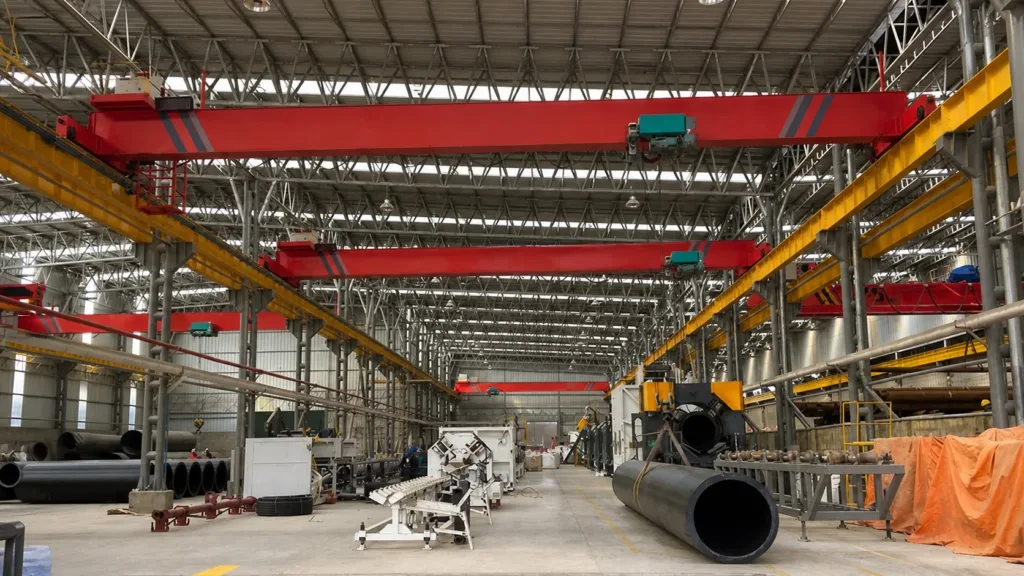
Cover the working area. 02Cover the area without blocking the work.
Span, runway or ground support, hook approach, lift height and duty determine whether the movement belongs to an overhead, gantry or local lifting system.
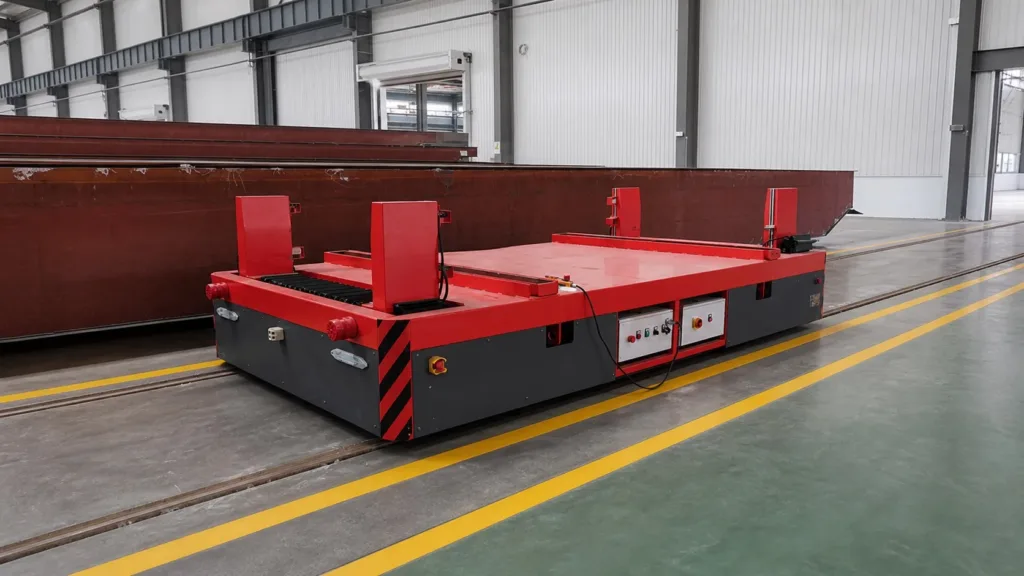
Connect the process zones. 03Move between bays, machines or storage.
Travel length, floor or rail condition, crossings, turning, traffic and stopping accuracy decide whether the route calls for a rail cart, trackless cart or guided vehicle.
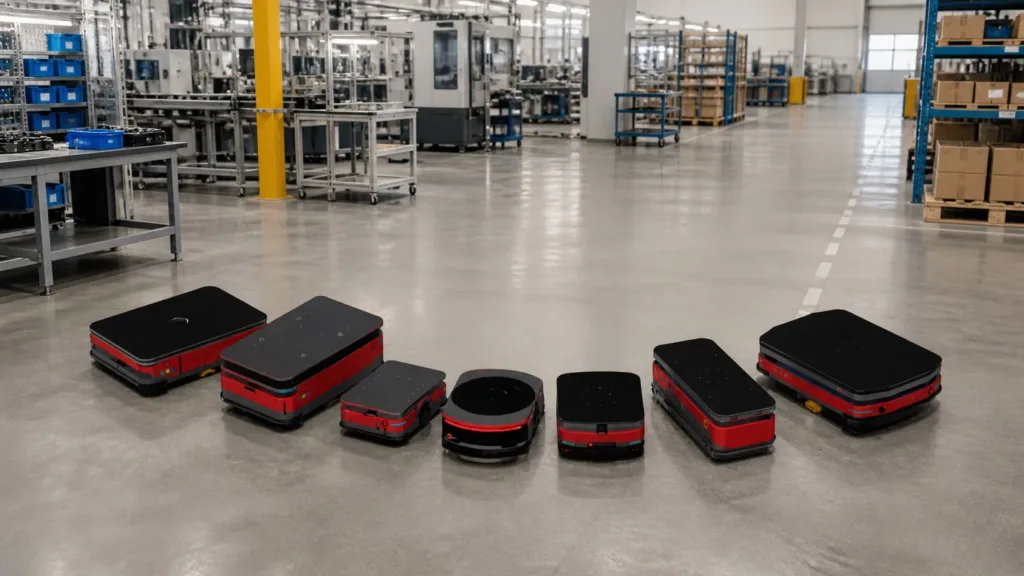
Arrive ready for the next task. 04Make the next process ready to receive.
The movement is incomplete until the load arrives at the required height, orientation, timing and control state. Mechanical, electrical and process interfaces belong in the brief.
What we move.
How we move it.
Crane systems, hoists, transfer systems and project delivery—four clear routes into the Fissure range.
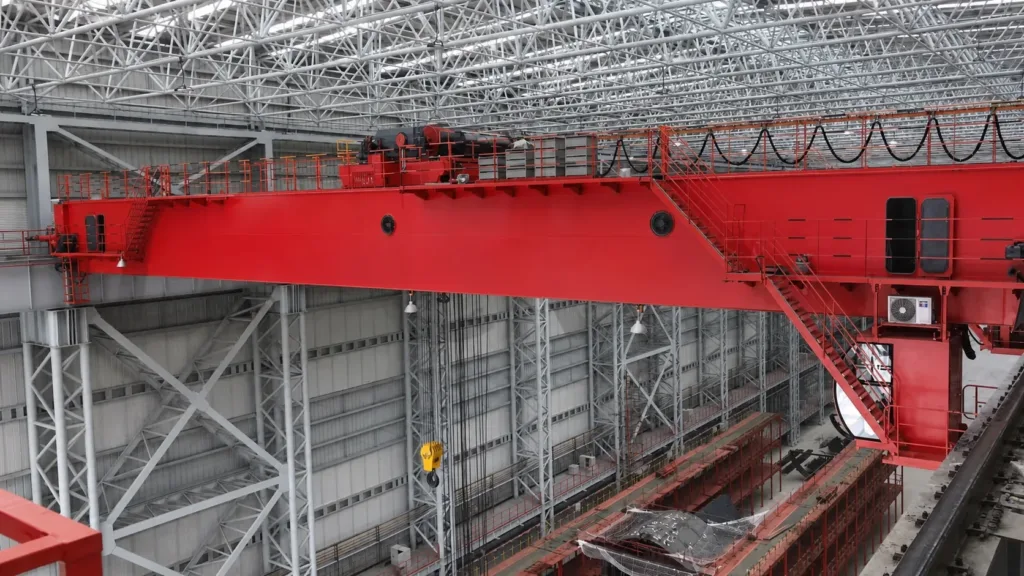
Cover the area, process or infrastructure route.
Industrial · process · port & marine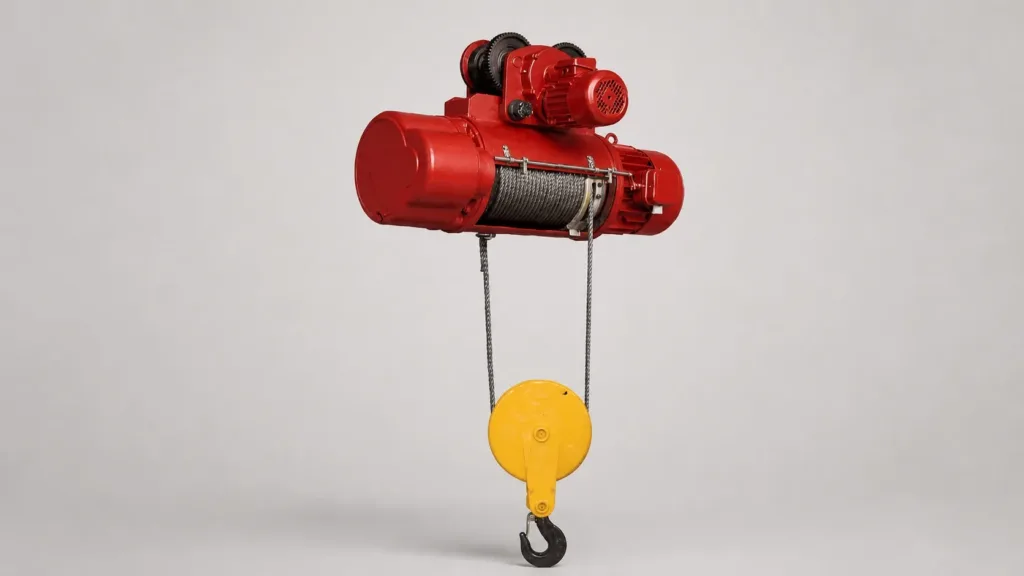
Lift, power and engage the load.
Hoists · components · below-the-hook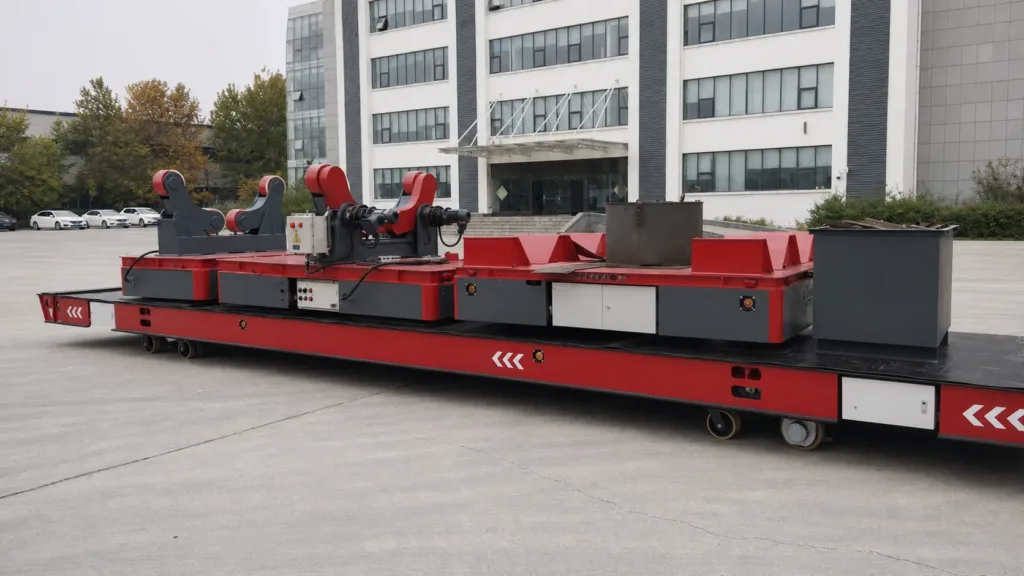
Connect fixed, flexible and autonomous routes.
Transfer systems · robotics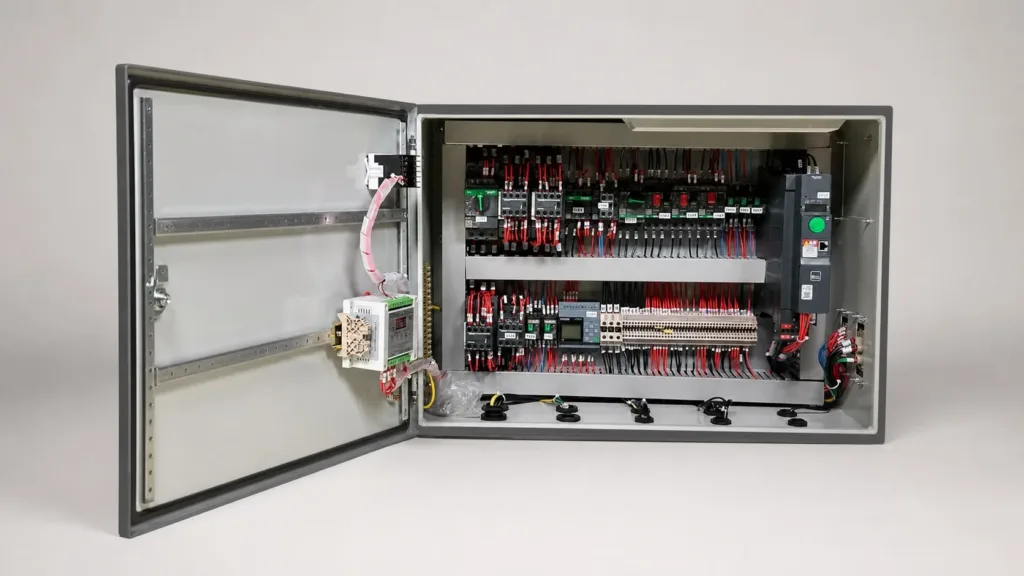
Define, modernise and deliver the system.
Follow the project-control routeOne route.
Five visible control gates.
Fissure remains the project interface for the agreed scope while project-fit manufacturing partners execute the equipment package.
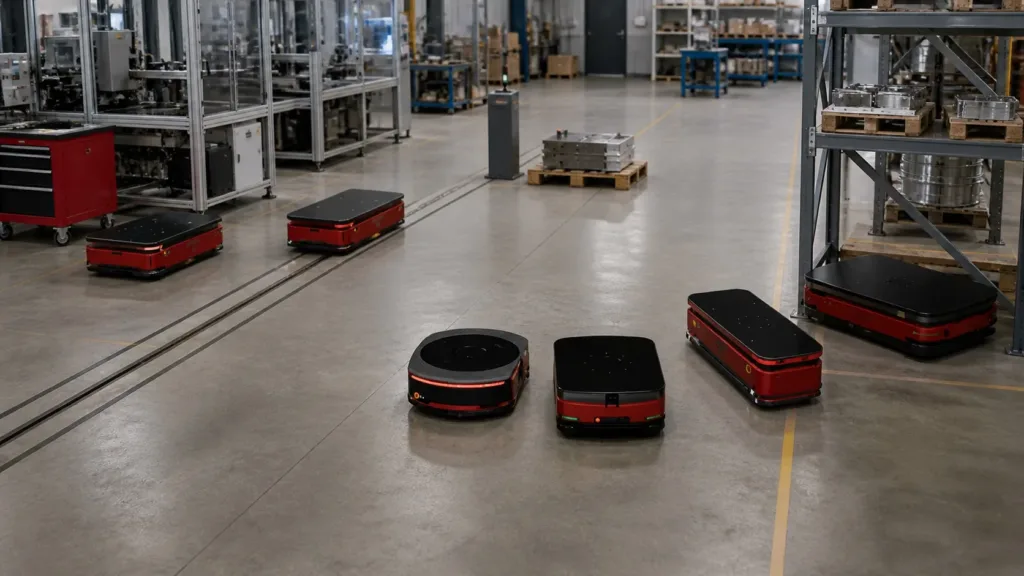
Starting point · Basis of design 01Define the work before the machine.
Load, task, route, site, environment, destination and required scope become a clarified input list.
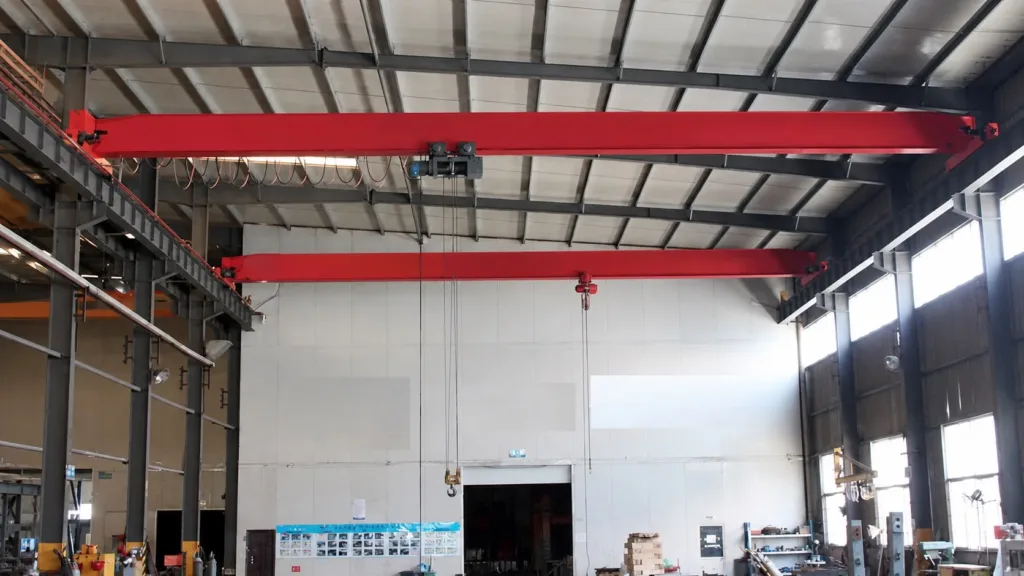
Coordination record · Drawing & interfaces 02Make the boundaries visible.
Geometry, support, power, controls, exclusions and deviations are coordinated before release.
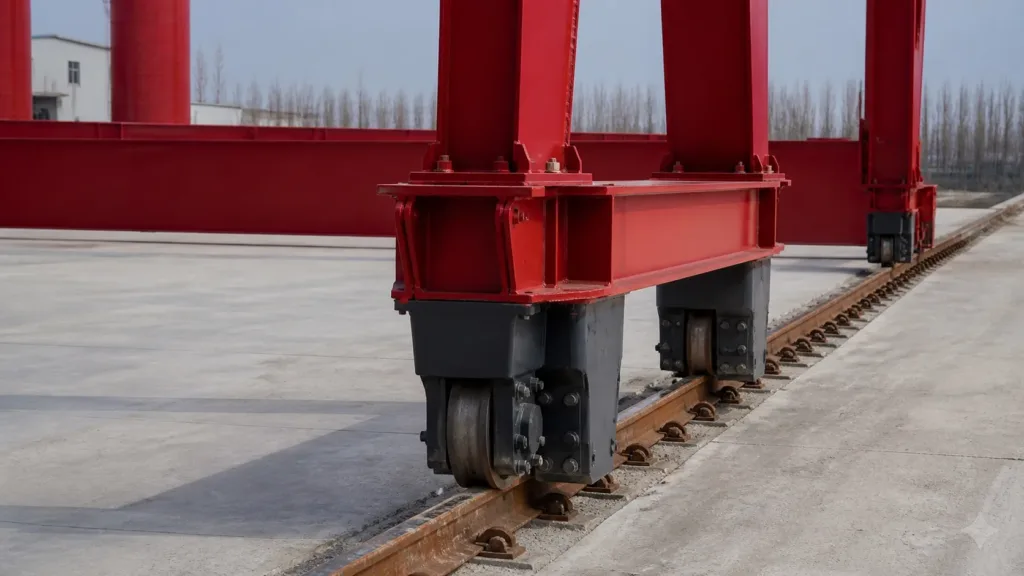
Control plan · Quality & inspection 03Build against the agreed checks.
Project-fit manufacturing capability, inspection points and document requirements follow the approved scope.
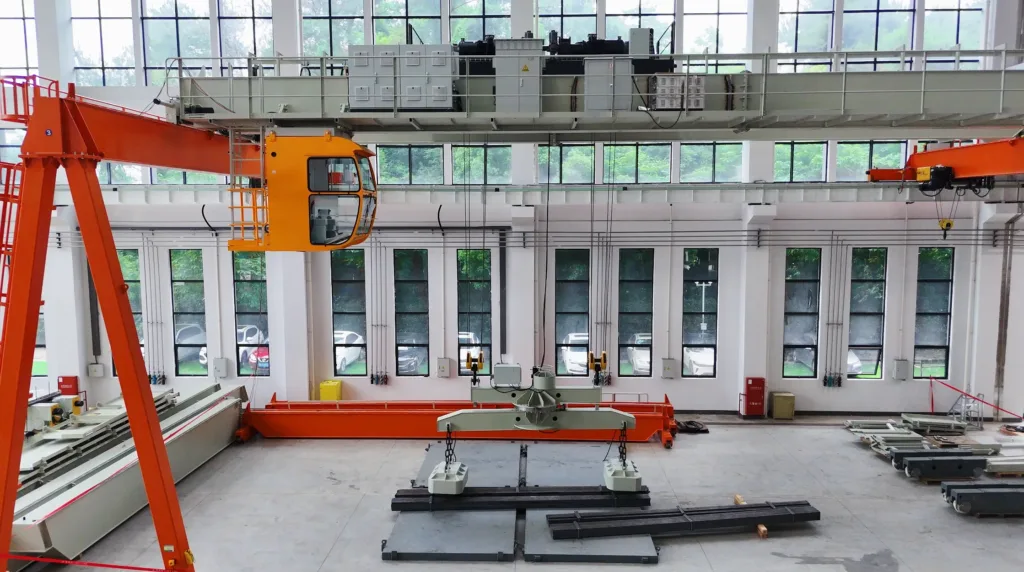
Release evidence · FAT & documentation 04Verify before shipment.
Agreed functional checks, records, documentation and release status are closed against the project plan.
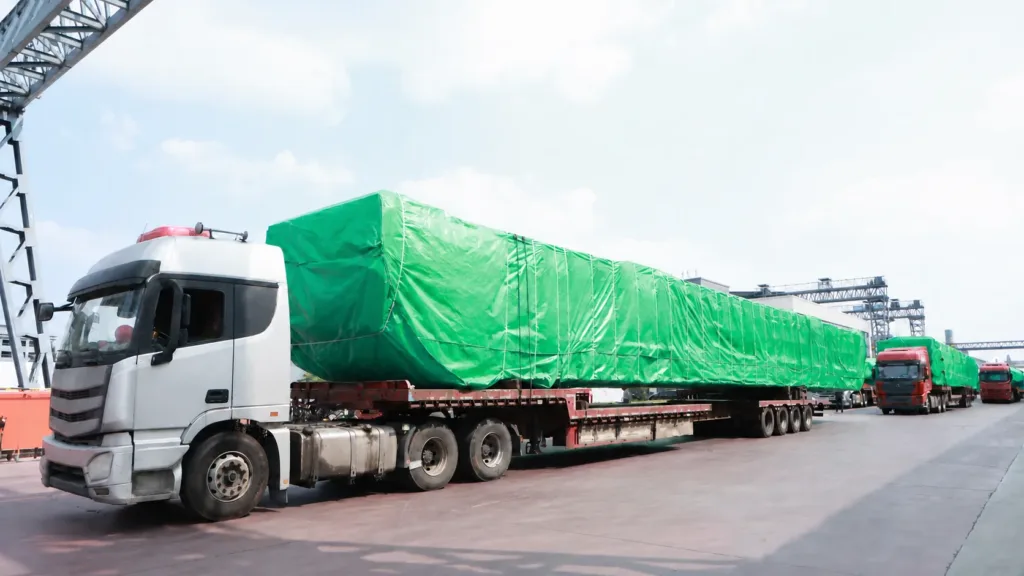
Hand-off record · Delivery & site scope 05Keep the hand-off controlled.
Packing, export delivery and remote, supervised, commissioning or turnkey site roles are defined by scope.
What stays
visible.
A useful project interface turns responsibilities into reviewable inputs, actions and outputs.
Send the route.
We will find the missing inputs.
A load list, layout, route sketch, photos or process sequence is enough to begin. The next discussion identifies the technical and commercial boundaries that still need definition.
Map your material route- Weight, geometry, attachment and process state
- Pick points, travel path, crossings and hand-offs
- Support, power, exposure and access
- Standards, documents, delivery and support