
Products · Equipment selection
See the system.
Choose the equipment.
Three equipment groups organise eight product categories. Start with how the material must move, then choose the category that matches the equipment decision.
- 01
- 02
- 03
- 04
- 05
Start with the job.
Choose the equipment. Define the project.
The product name is not the first input. Start with the physical job, choose the relevant equipment category, then define the project-specific configuration.
- 01
Start with the physical job.
Crane coverage, hoisting and load engagement, or horizontal and intelligent flow shows which equipment group to assess first.
- 02
Choose how the job is carried.
Crane, hoist, attachment, transfer platform, autonomous vehicle or control layer follows the movement and operating boundary.
- 03
Define what changes the design.
Load, geometry, support, duty, environment, attachment, controls and hand-off points turn a product type into a project scope.
Three equipment groups.
Eight product categories.
Each equipment family appears once. Engineering and lifecycle services support those families without becoming a duplicate product category.
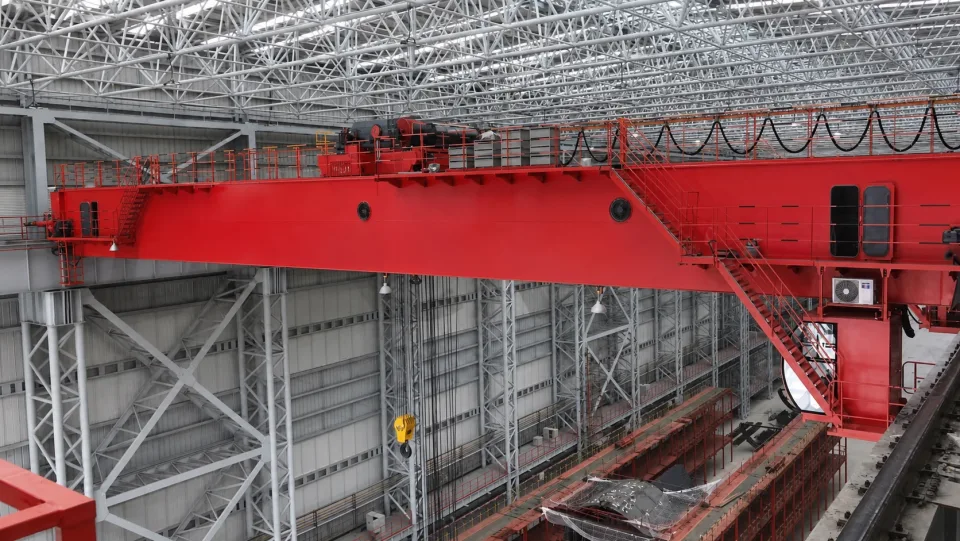
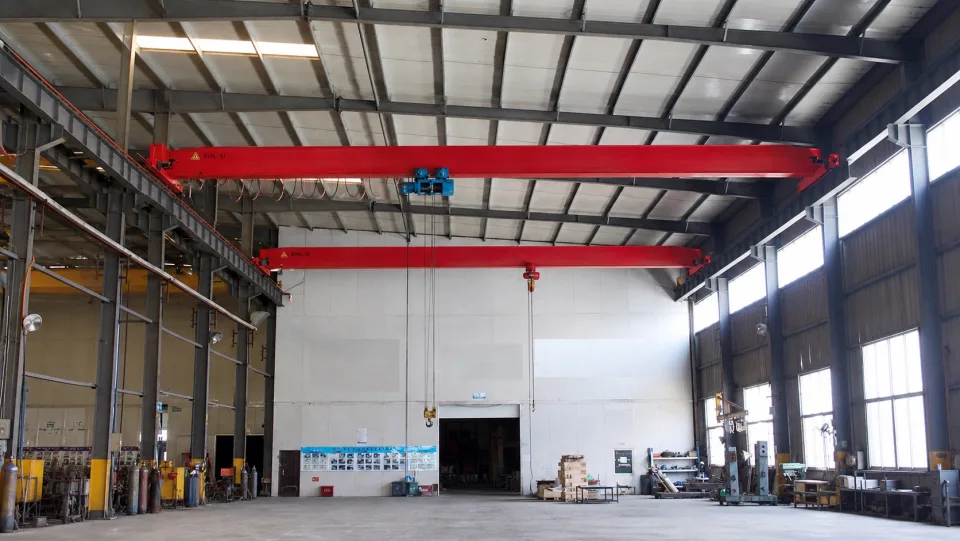
Industrial Cranes
Area and local lifting systems for bays, yards and work cells.
- Overhead and gantry cranes
- Jib and workstation systems
- Defined bay, yard and local coverage
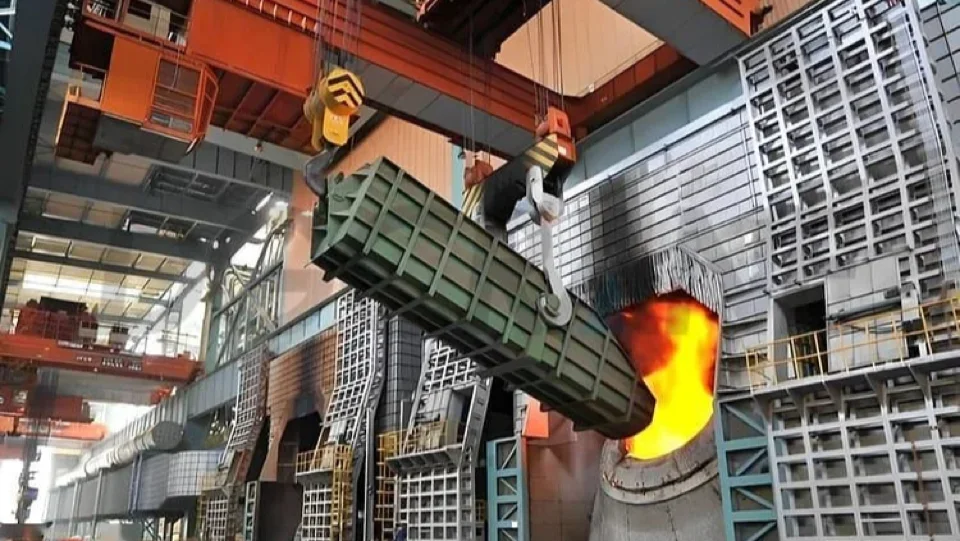
Process & Specialised Cranes
Production-integrated systems for demanding process, load and operating conditions.
- Metals, stock and bulk handling
- Automated and process-integrated cranes
- Critical-duty engineered systems
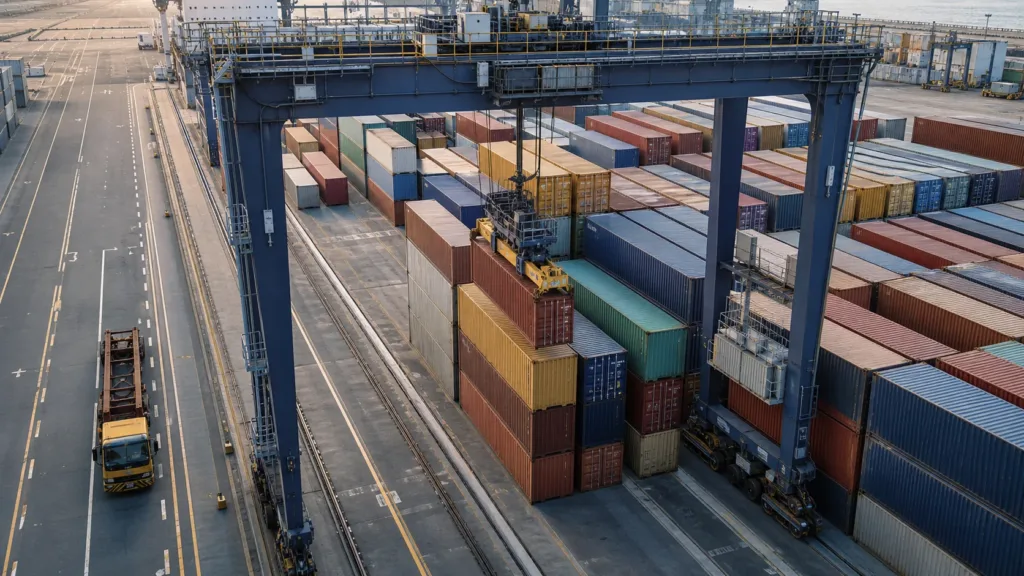
Port, Marine & Infrastructure
Large-envelope lifting systems connecting vessel, yard, civil and rail interfaces.
- Quayside and container-yard systems
- Shipyard, marine and offshore cranes
- Bridge, precast and infrastructure lifting
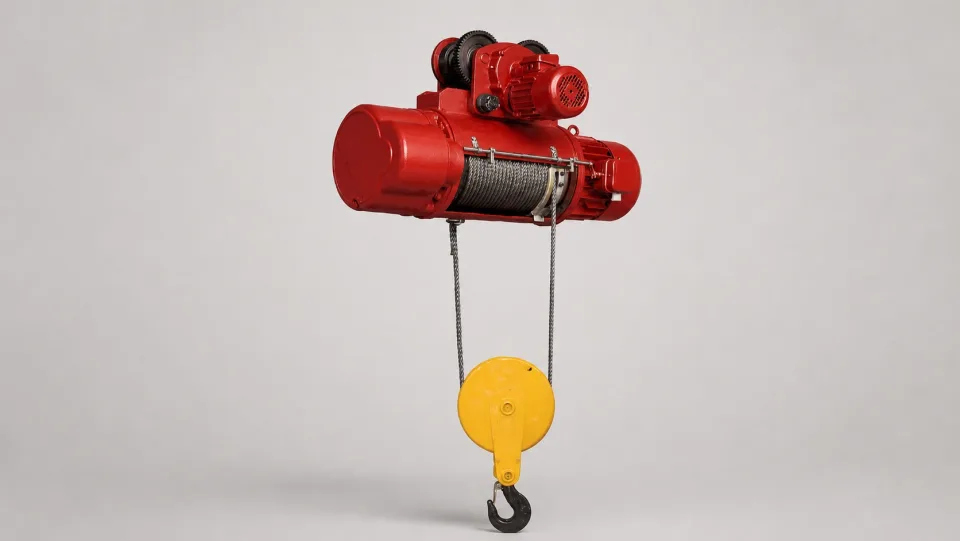
Hoists & Winches
Point lifting and pulling equipment matched to mounting, duty and environment.
- Wire-rope and chain hoists
- Open-hoist units and electric winches
- Manual, pneumatic and special-duty units
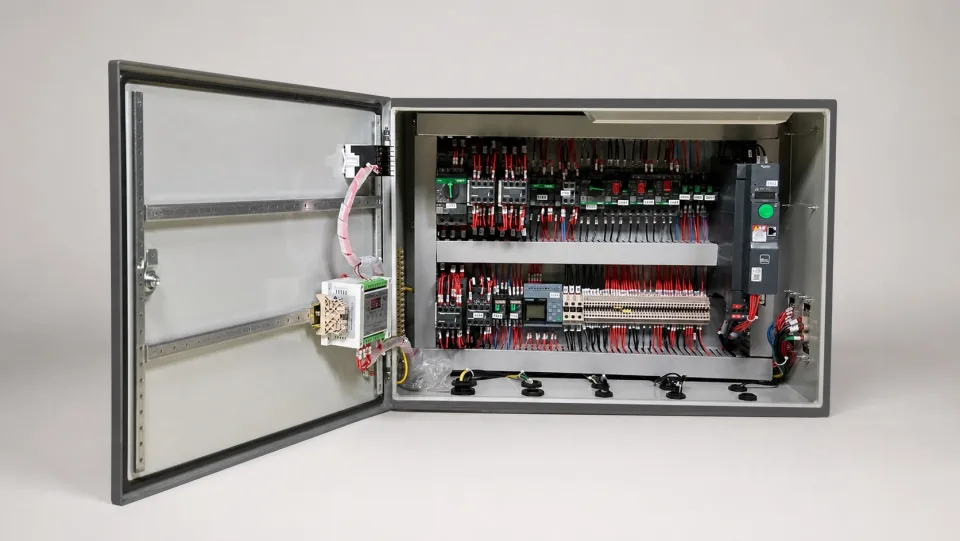
Crane Components
Compatible motion, power, control and runway interfaces for complete crane systems.
- Hoisting, travel and drive components
- Electrification, controls and interfaces
- Safety, monitoring, rails and runways
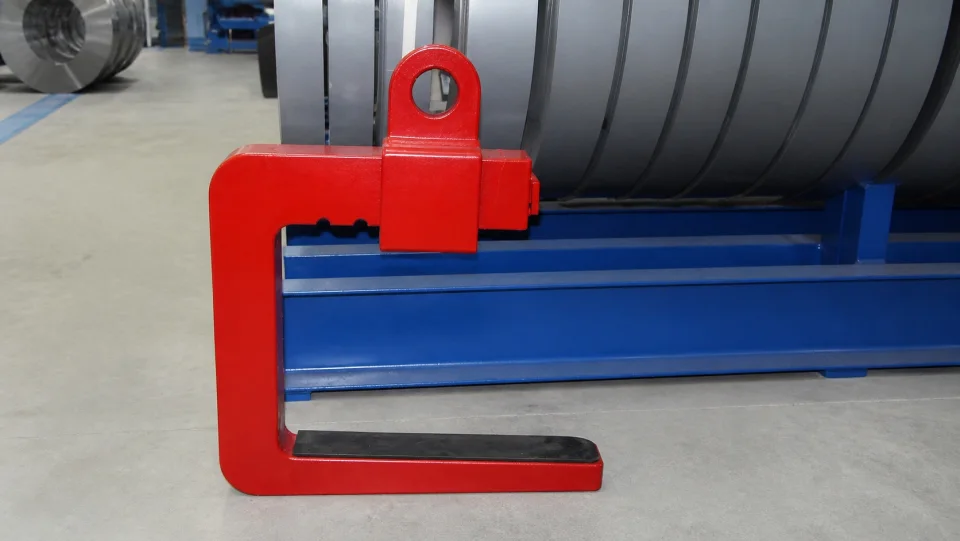
Below-the-Hook Load Handling
Attachments that engage, stabilize and release the real load.
- Beams, spreaders and long-load lifters
- Clamps, grabs, magnets and vacuum lifters
- Container and process-specific attachments
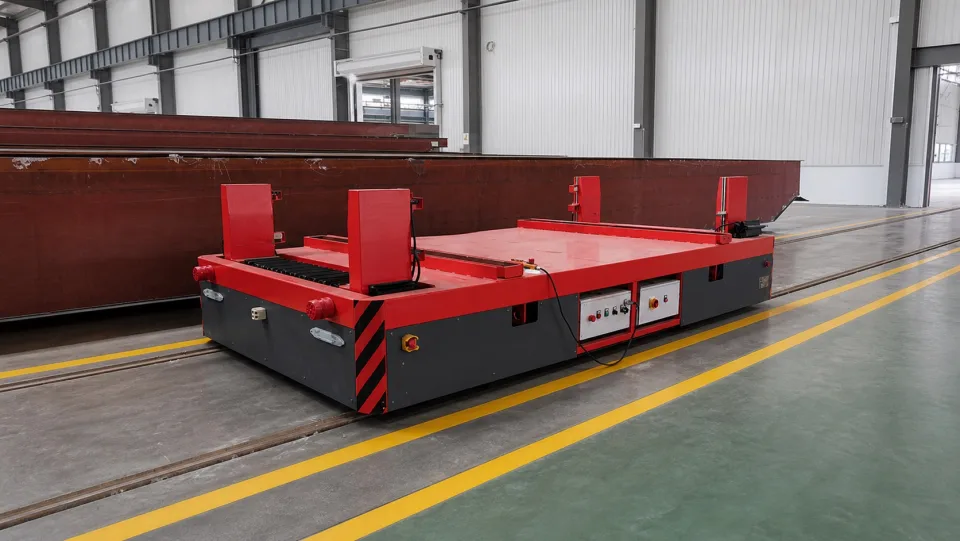
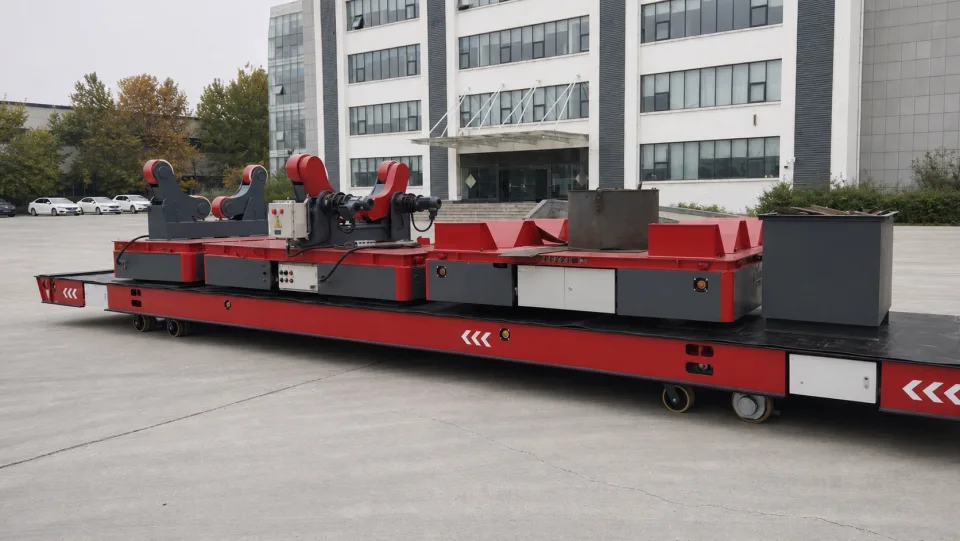
Industrial Transfer Systems
Horizontal movement between production, assembly, storage and test positions.
- Rail carts and RGV systems
- Trackless and omnidirectional platforms
- Heavy transporters and industrial trailers
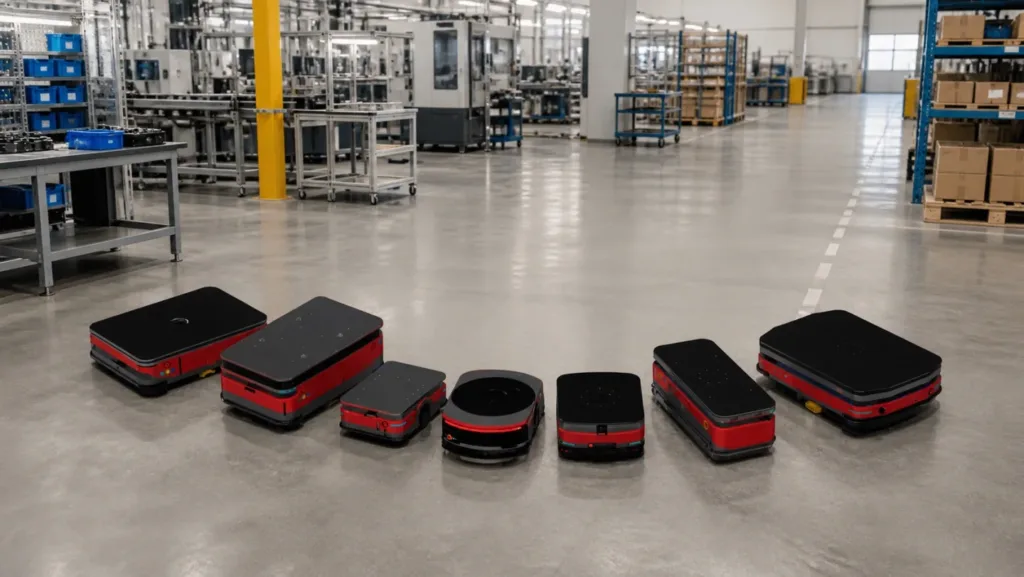
Mobile Robotics
Autonomous intralogistics routes for pallets, racks and production material.
- AMR and AGV transport platforms
- Autonomous forklifts and tow tractors
- Robotic handling and fleet software
Start with movement.
Then choose the product family.
Use the movement, load contact and operating conditions to identify the most relevant product category. This is an initial selection guide, not a finished specification.
System note A complete material route can combine crane coverage, a hoist or attachment, ground transfer and process controls.
New equipment.
Or an upgrade to what you have.
For a new installation, define how the equipment connects to the building and production process. For existing equipment, explore controls, automation and modernization services.
Explore automation & modernization- 01
Structure & route
Building, runway, foundation, floor, rail, access and travel envelope.
- 02
Load & attachment
Mass, dimensions, centre of gravity, stability and load-contact method.
- 03
Motion & duty
Lift and travel distances, cycles, speeds, positioning and operating environment.
- 04
Control & hand-off
Operator method, process signals, traffic, safety boundary and recovery behaviour.
You do not need
a finished spec.
A load list, route sketch, layout, photographs or a process sequence is enough to begin. The first review identifies the missing inputs that affect equipment selection and project scope.
Start the project brief- Mass, dimensions, centre of gravity and load-contact method
- Pick points, destinations, coverage and process interfaces
- Building, runway, foundation, floor, rail and access
- Cycles, speeds, temperature, dust, corrosion and cleanliness
- Operator method, signals, safety boundary and recovery