
Crane Components & Spare Parts
Find the part.
Complete the assembly.
Hoisting parts, wheels and drives, power supplies, controls and crane rails. Source a replacement part or specify a component package for a new crane.
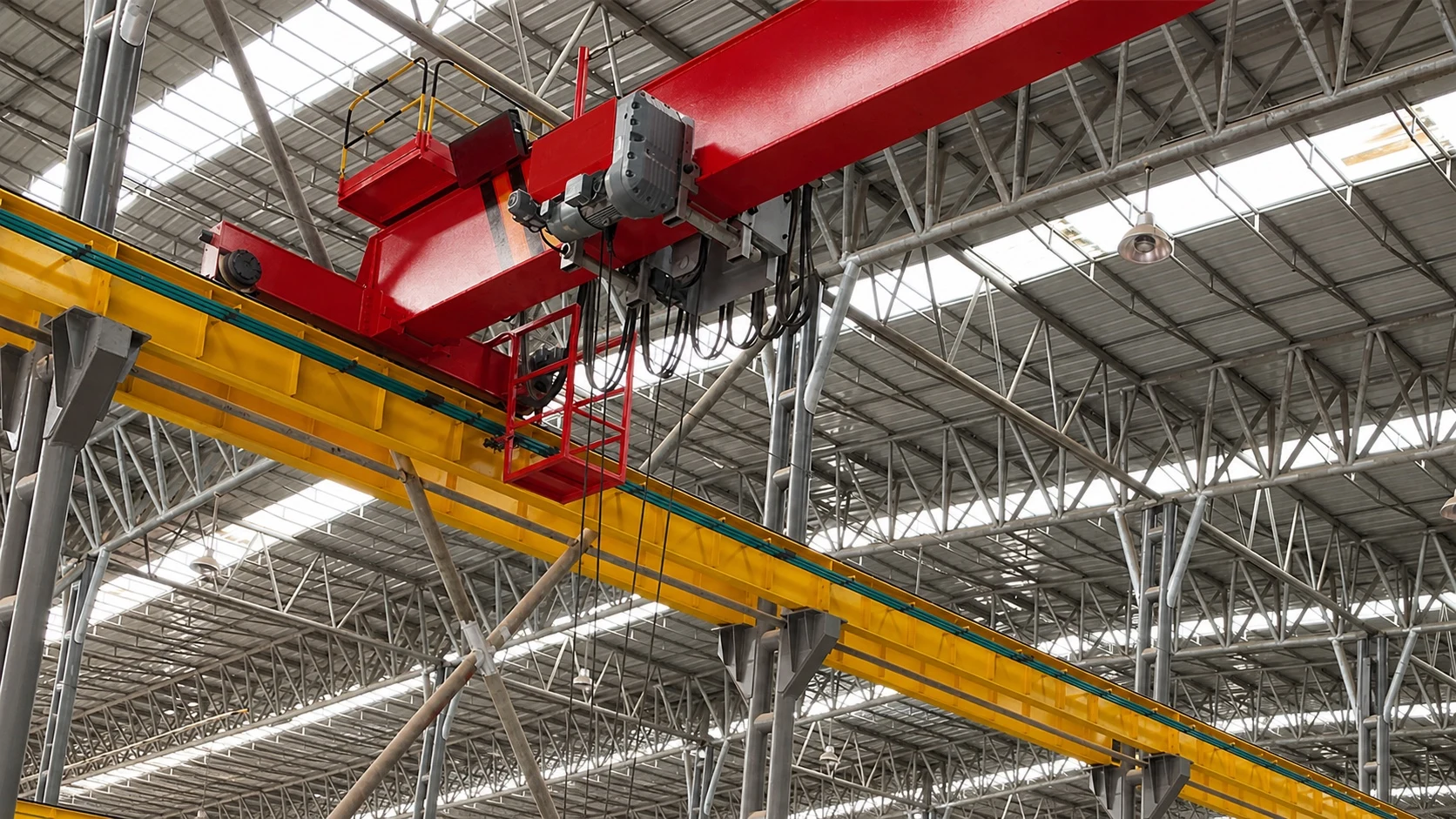
Start with the
part you need.
Open a category for the information that helps us identify your part. Several categories can form one component package.
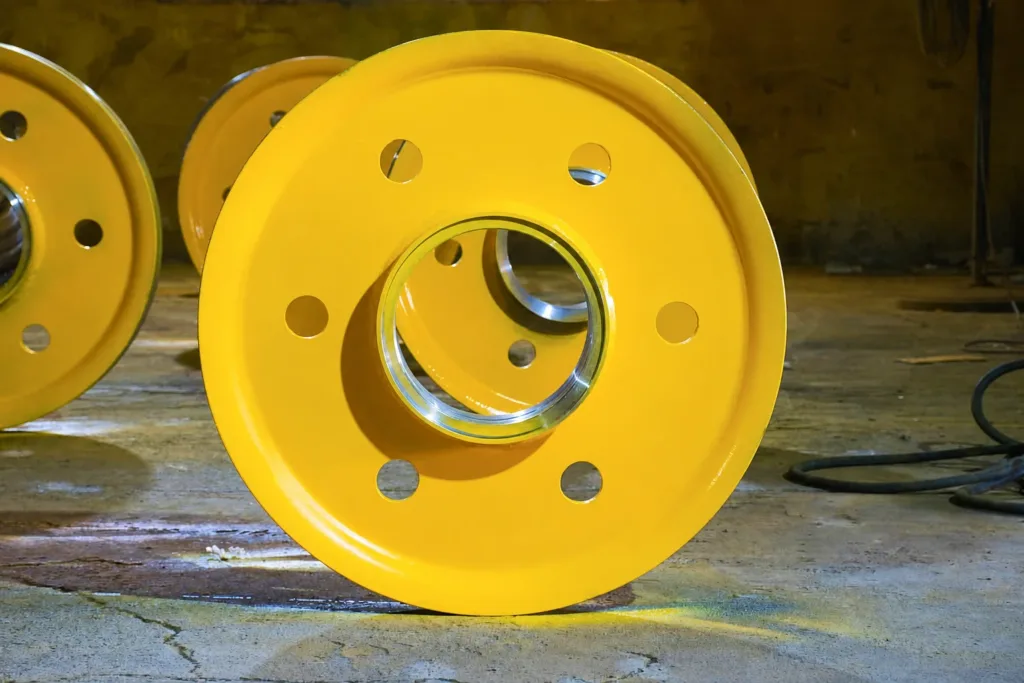
Hoisting components
Parts within the lifting mechanism, from rope drums and sheaves to hook blocks and rope guides.
Explore hoisting parts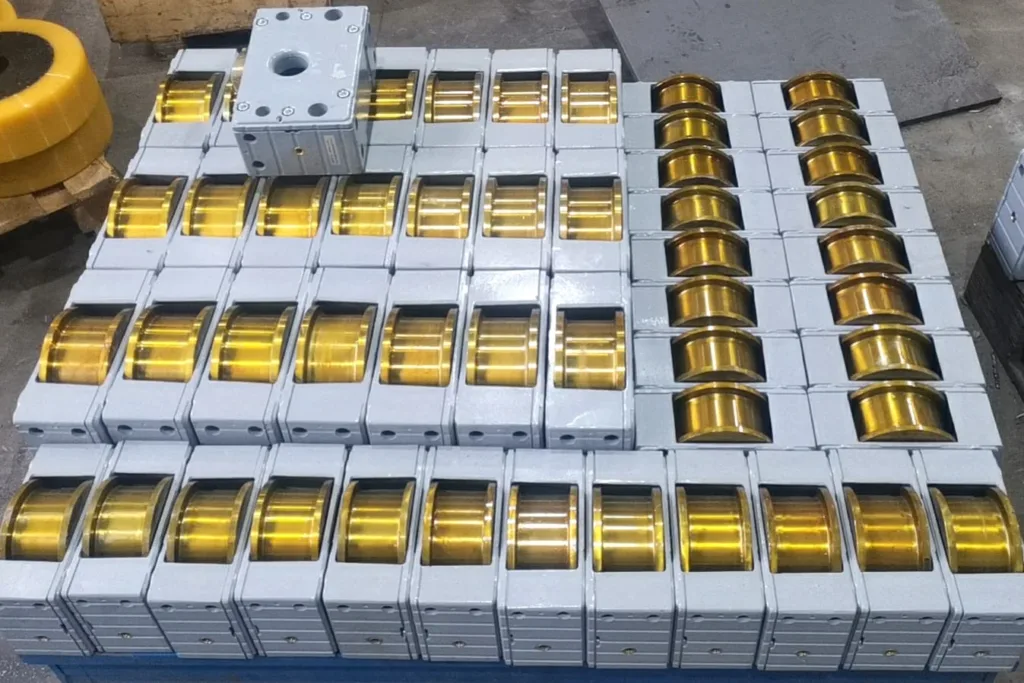
Travel & drive components
Wheels, wheel blocks and end carriages, with motors, gearboxes, brakes and couplings for crane travel.
Explore travel & drive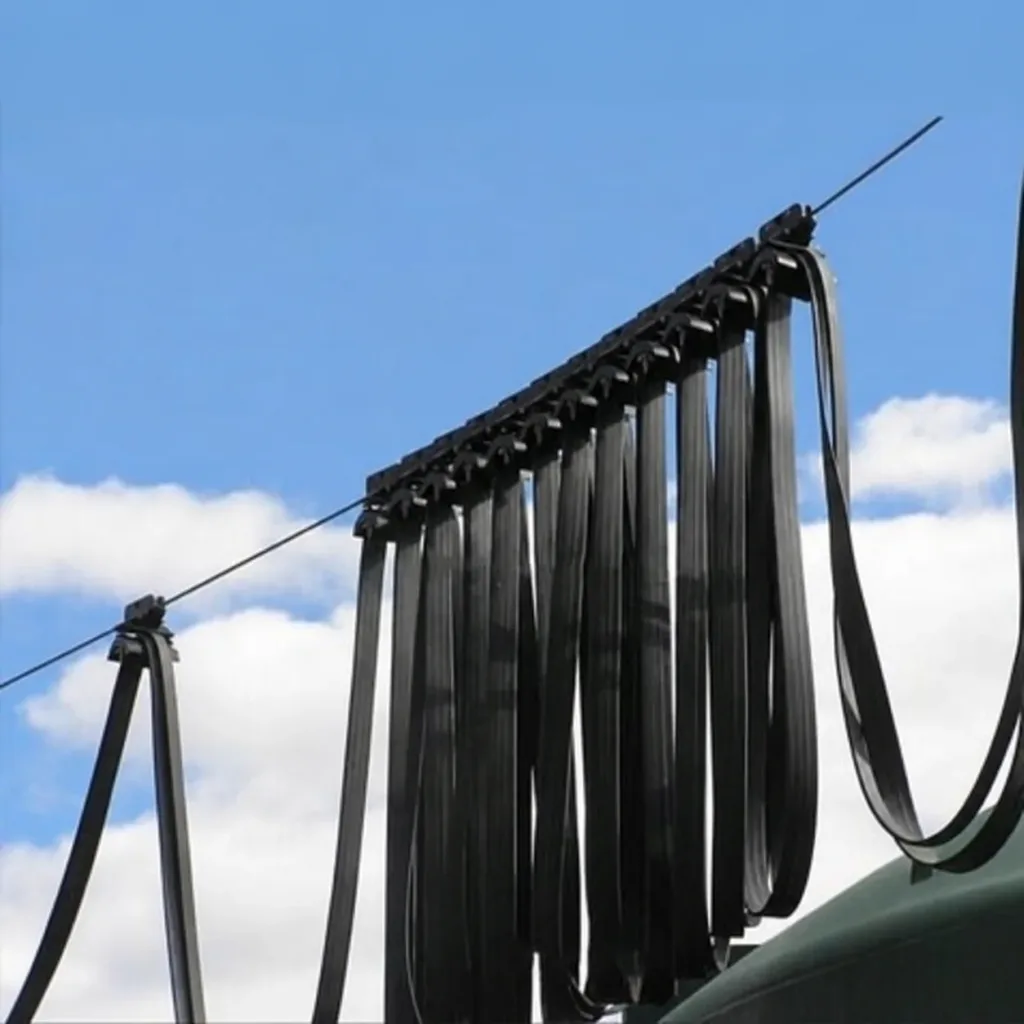
Moving power supply
Conductor systems, festoons, cable reels, energy chains and cables for moving crane equipment.
Explore moving power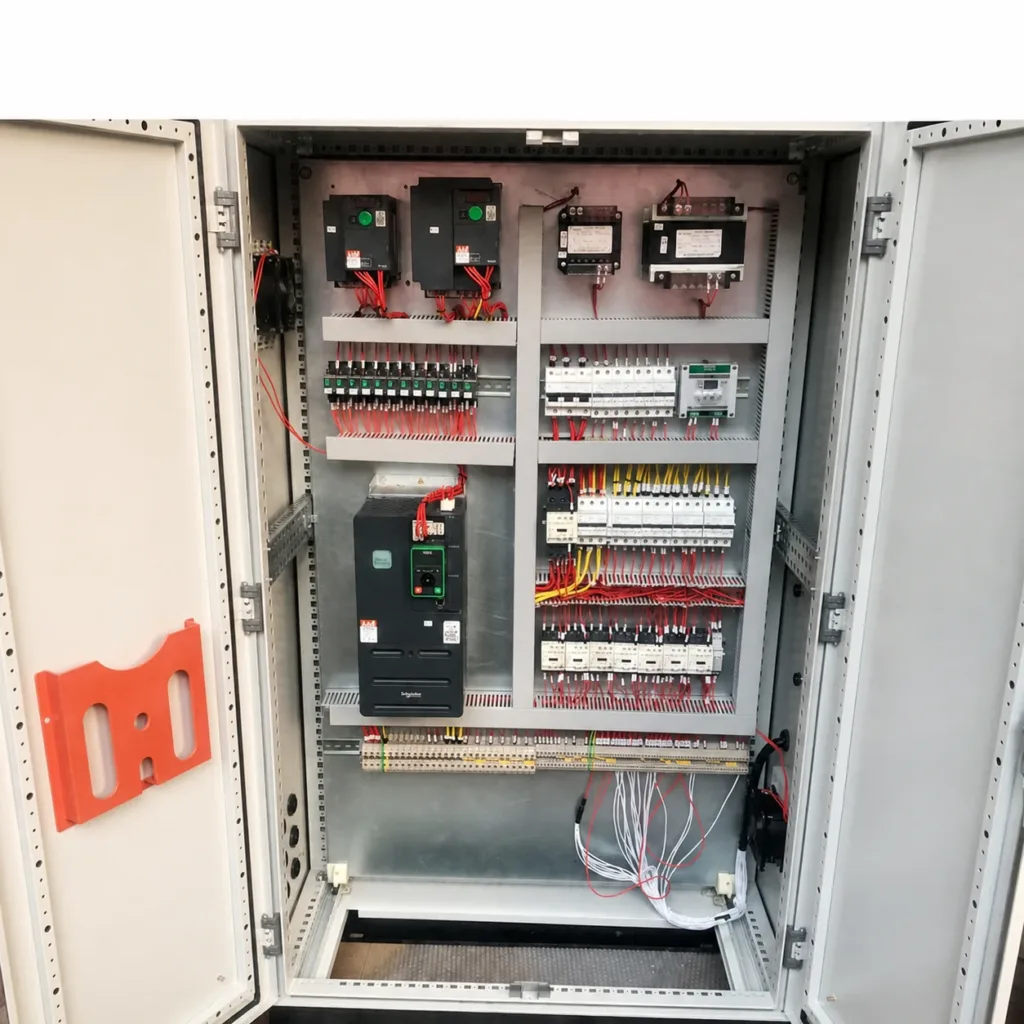
Controls & operation
Control panels, inverters, pendants and radio controls for operating crane movements.
Explore crane controls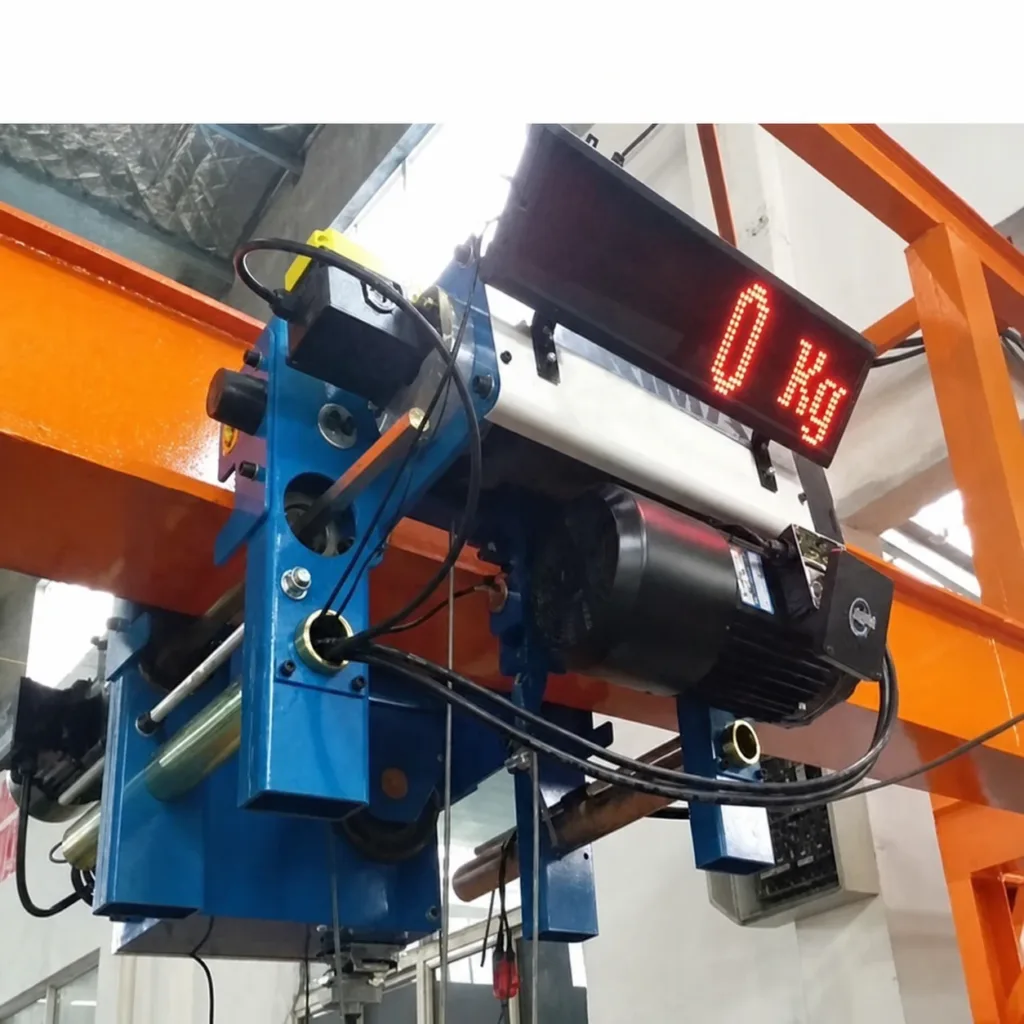
Safety & monitoring devices
Limit switches, load monitoring, overload protection and collision-detection equipment.
Explore safety devices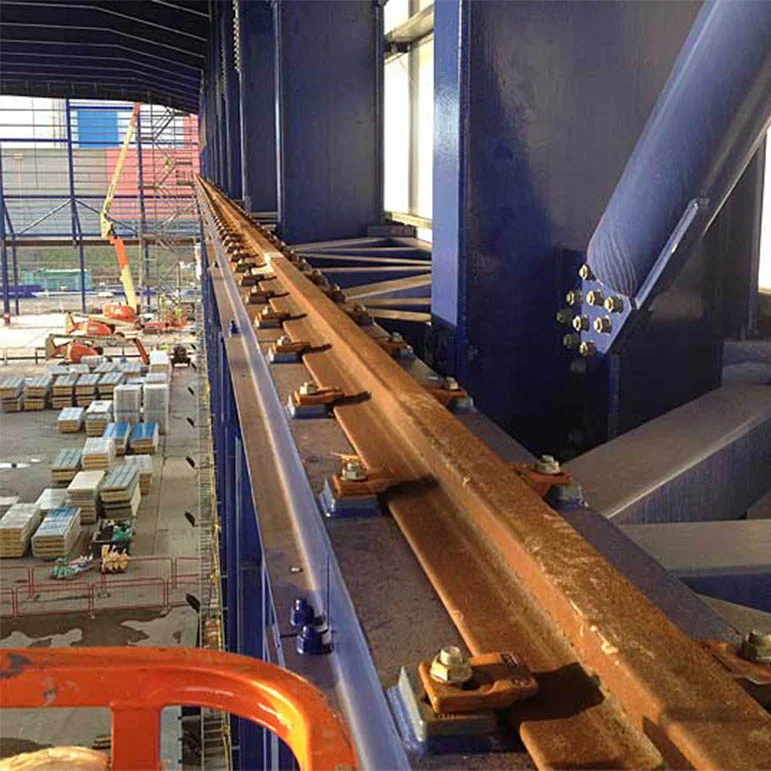
Rails & runway systems
Crane rail profiles, clips, joints and pads, with supporting runway steelwork defined for the installation.
Explore rails & runwaysOne part.
Or a matched assembly.
A replacement wheel and a complete end carriage are different purchases. Tell us which connected parts you need to retain.
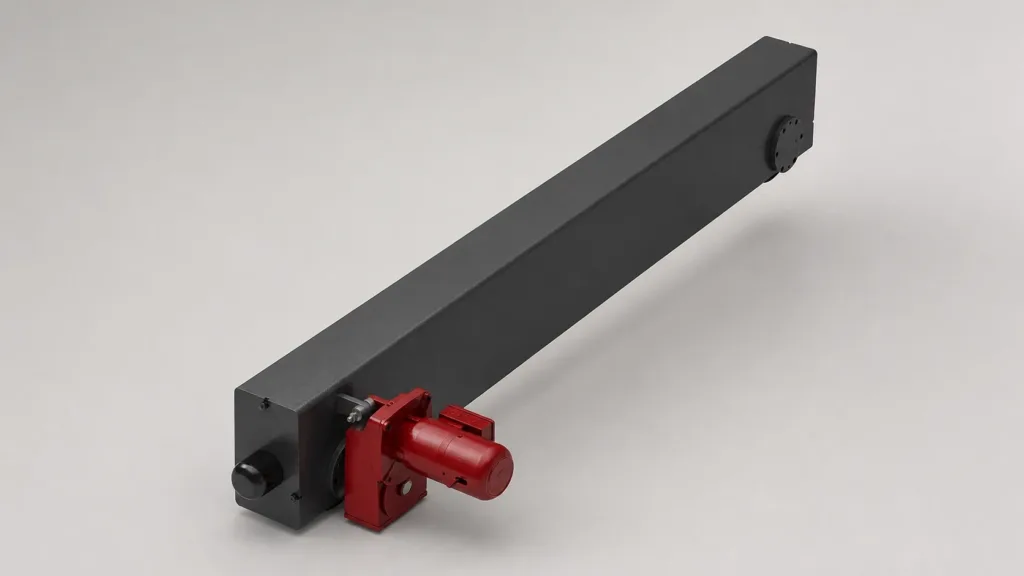
Wheels, drive and end beam.
This example brings the travel components together in an end carriage. The wheel arrangement, drive and beam connection must suit the crane and runway. Confirm the included parts against an assembly drawing and item list.
01Single part, wheel assembly or complete end carriage?
A wheel-only order retains the surrounding shaft, bearings and drive where suitable. A wheel assembly includes an agreed combination of these parts. An end-carriage order also defines the beam, connections, drive and accessories. The quotation should list exactly what is supplied.
02Building a new crane with locally fabricated steelwork?
Send the crane layout and proposed scope. Identify who supplies the main girders, runway beams and supports, and which hoists, travel units and electrical equipment are required. Agree the connection drawings and design responsibilities before fabrication.
The installation
changes the choice.
These equipment examples show why the same part name does not always mean the same specification.
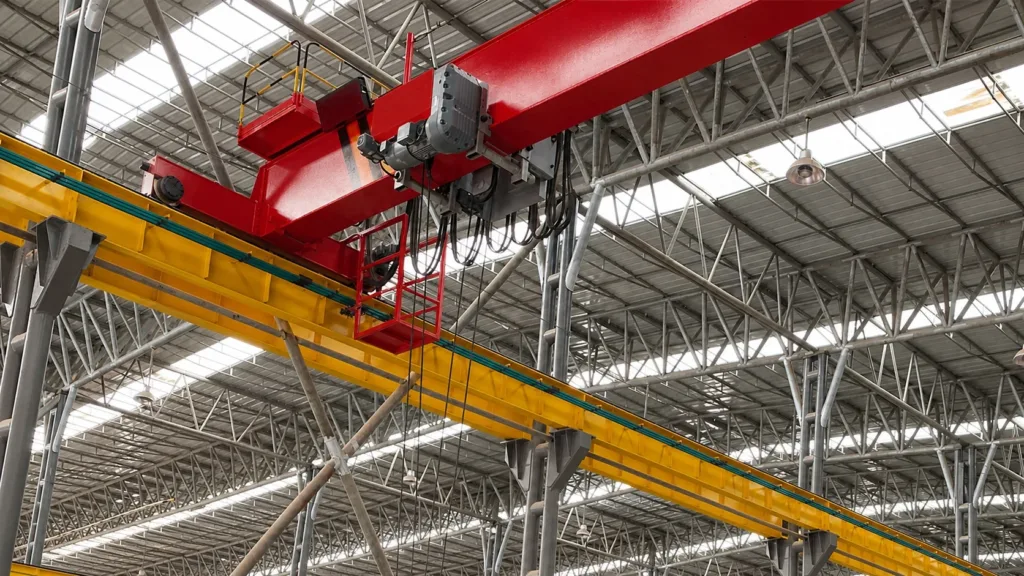
Bridge & trolley travel
Check the wheel profile and rail together. Available space and drive connections also matter when replacing a travel unit.
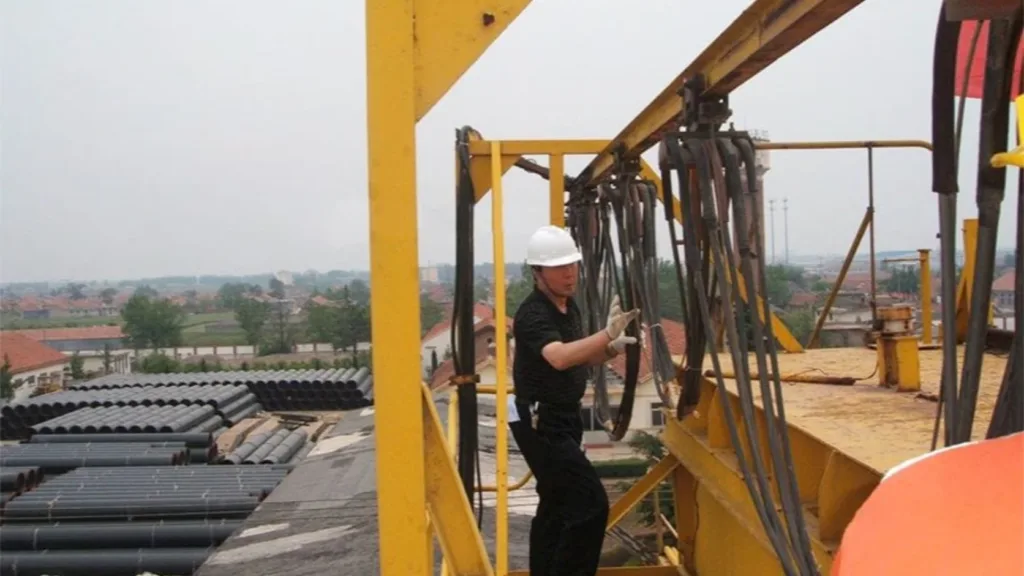
Power over the full route
Cable loops, carriers and supports need room to travel. Include weather exposure and access for maintenance in the enquiry.
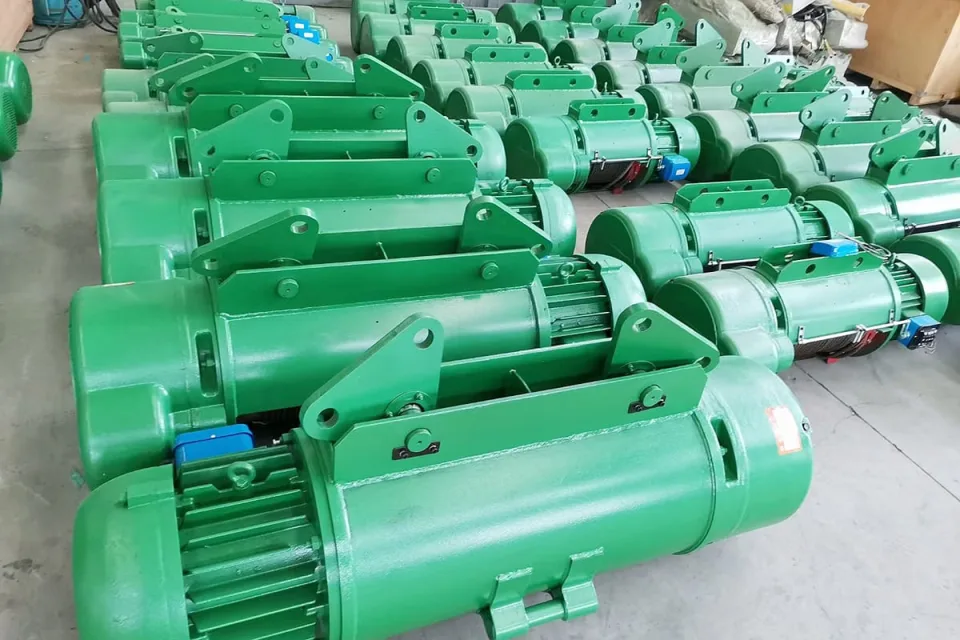
Replacing lifting parts
A sheave or rope guide must suit the installed mechanism. Identify the rope arrangement and original part before choosing a replacement.
Start with what
you already have.
You do not need a complete technical specification to contact us. A clear photo and a short description are useful starting points.
01Replacing a part: photos, markings and installation
Send an overall photo, close-ups of the part and any nameplate, and a picture of its connections. Add the machine model, quantity and what has failed. Include drawings or measurements already available; we can identify which further details are needed.
02New equipment: layout, working conditions and scope
Send the layout or general arrangement, required crane duty and movements, available power and installation environment. List the parts or assemblies needed and any equipment or steelwork being supplied by others.
03Can we keep the existing controls when changing a drive?
Possibly, but motor data, speed control, braking and protective functions need to be checked together. Supply the existing electrical drawings and describe the proposed change so the retained equipment can be assessed.
Planning a control upgrade?
For positioning assistance or automation, review the whole operating task as well as the replacement hardware.
Explore crane automationSend a part number.
Or start with a photo.
Tell us what you need and where it will be used. We will review the supply options and the information needed to confirm a match.
Discuss your component- Name, model or photo, plus the required quantity.
- Machine details and any drawings you already have.
- Destination and required timing.