
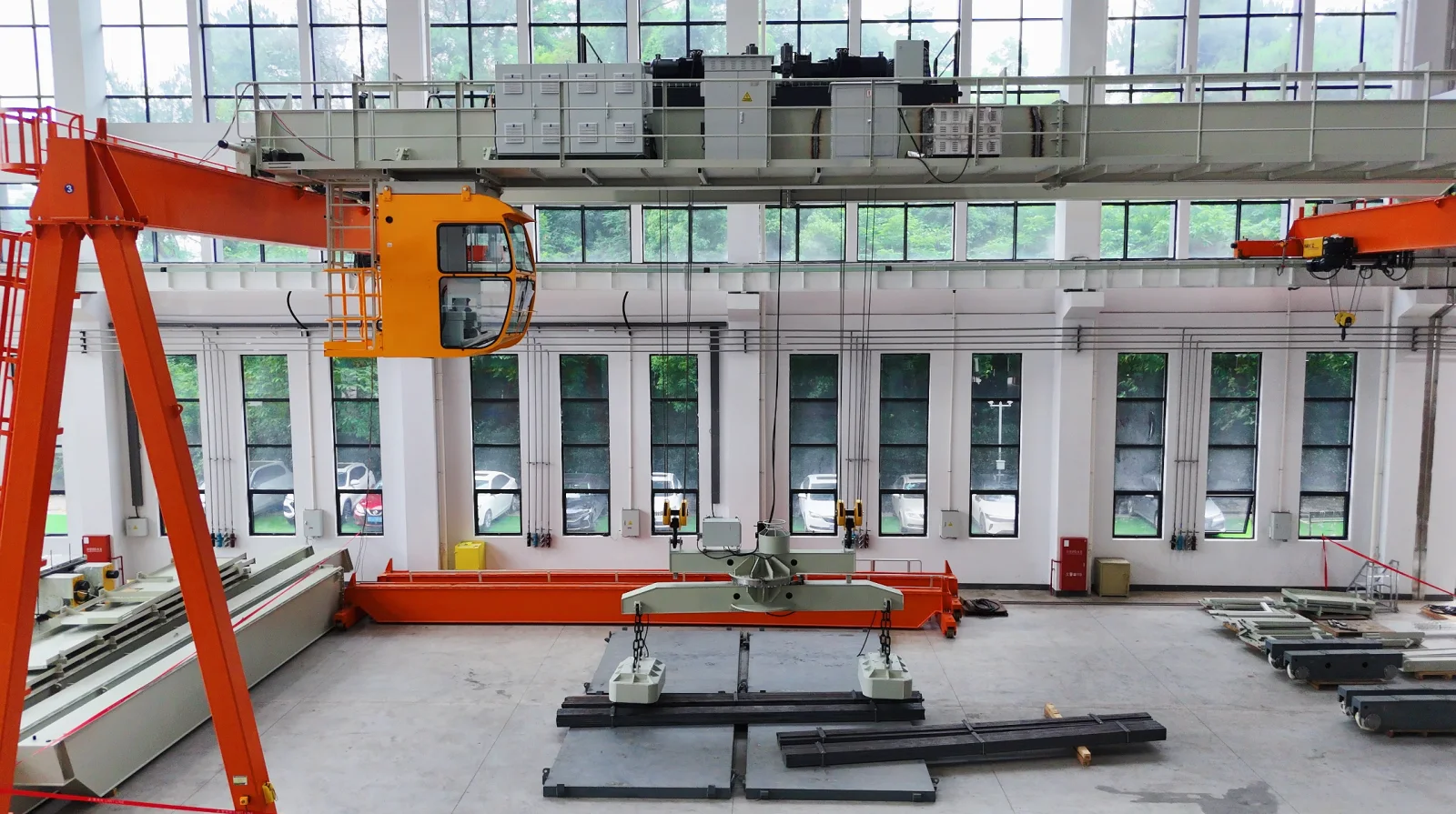
Shanghai project integration · International supply
One scope.
Clear ownership.
Fissure Tech is a China-based industrial material handling project integrator and supply partner. We connect specialist manufacturing capability to one agreed technical, commercial and delivery scope.
- 01
- 02
- 03
- 04
Specialist capability.
One customer interface.
The customer should not have to assemble a crane maker, component source, automation supplier, inspector and export coordinator into one working project. Fissure Tech connects those responsibilities around the actual material route.
- 01
Start with the operating requirement.
Load, movement, site, duty, destination and handoff conditions form the project basis before an equipment family is selected.
- 02
Match the right specialist capabilities.
Industrial cranes, hoisting and load engagement, horizontal transfer and intelligent flow may come from different audited specialists but remain connected by one scope.
- 03
Keep decisions and evidence connected.
Technical clarifications, drawings, changes, inspections, release records and delivery information stay tied to the configuration the customer approved.
Different specialists.
Visible ownership.
Manufacturing stays with the selected specialist. Fissure Tech remains the customer-facing project interface across the inclusions, interfaces, evidence and handoff defined in the agreed scope.
Agreed supply boundary names inclusions, exclusions, interfaces, evidence and the handover point. It is the operating contract for the project—not a generic promise detached from the selected equipment.
Capability is selected.
Not assumed.
A broad partner network is useful only when the selected manufacturer, component route and evidence package fit the real application and destination.
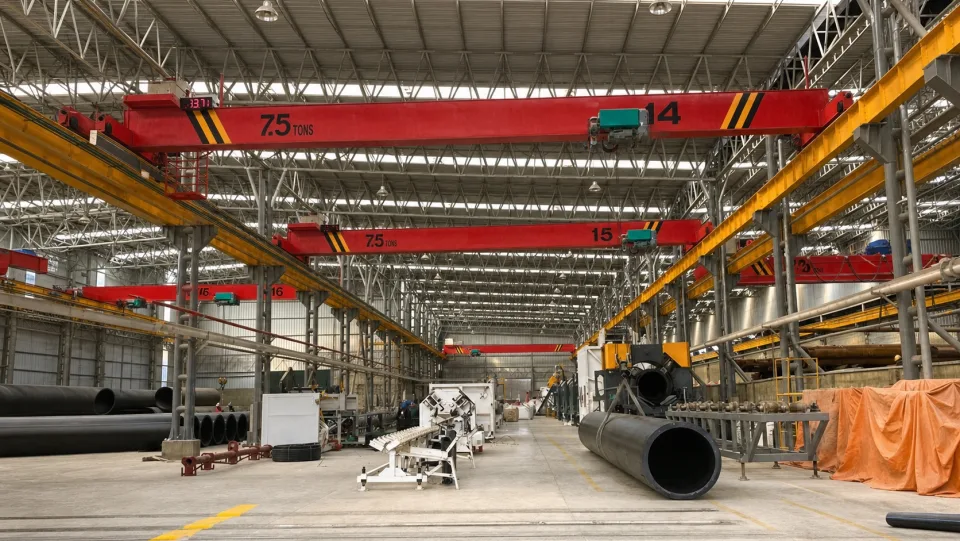
Choose the partner around the project.
Product range alone is not the decision. Engineering fit, production capability, applicable evidence, delivery boundary and support all have to close together.
- 01
Match the real system.
Select by crane, hoist, attachment, transfer, robotics or controls capability—not by a generic supplier label.
- 02
Check interfaces early.
Geometry, duty, environment, power, controls, civil interfaces and maintainability establish whether the proposed solution is credible.
- 03
Bind proof to configuration.
Applicable standards, certificates, drawings and test records are attached to the selected equipment and destination requirement.
- 04
Close the handoff boundary.
Packing, transport, installation information, commissioning support and service responsibility are agreed before release.
Applicable by configuration.
Inspectable by record.
Export requirements can span machinery, lifting, electrical, environmental and destination rules. The useful question is not whether a generic badge exists, but which evidence applies to the exact system being supplied.
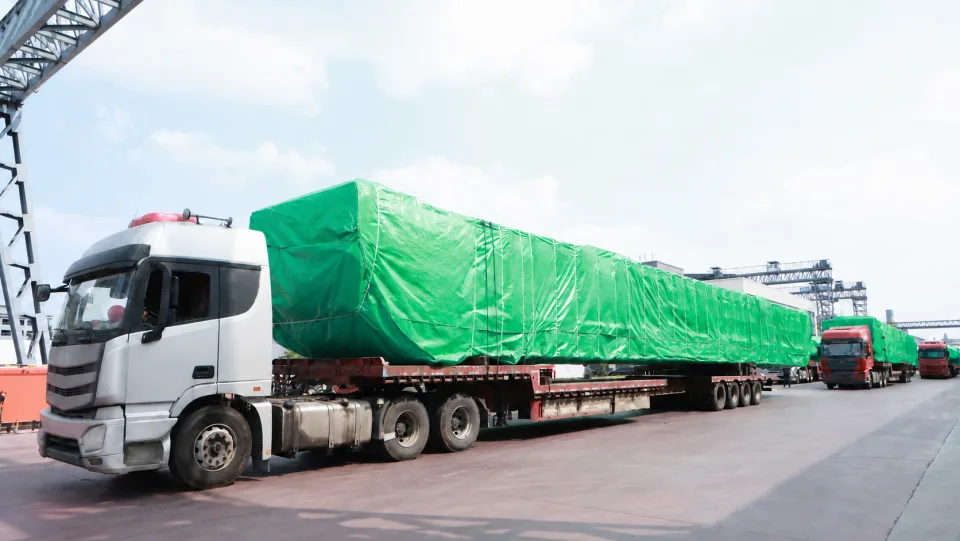
The evidence travels with the equipment.
The design basis, approved configuration, inspection records and handoff file should describe the same delivered scope.
- 01
Design inputs
Load, duty, environment, interfaces, assumptions and destination establish the technical basis.
- 02
Applicable requirements
Product, electrical, hazardous-area, manufacturing and market requirements are mapped to the quoted scope.
- 03
Checks and release
Submittals, inspection points, functional testing, FAT or other acceptance evidence are agreed before production closes.
- 04
Delivery file
Approved drawings, records, manuals, packing information and support responsibilities form the usable handoff package.
Bring the operating brief.
We will map the route.
A first review does not require a finished specification. Share the material, movement, site, destination and delivery boundary you already know; the missing decisions can then be made visible.
Start a project brief- Material, process state and load-contact requirement
- Pick points, destinations, coverage and hand-offs
- Cycles, motion, exposure and operating conditions
- Market, electrical, machinery and application requirements
- Equipment, evidence, logistics, support and handover boundary