
Hoists & Winches · Product family
Define the lift.
Select the mechanism.
Hoists and winches create point lifting or pulling motion. The right family follows from the load, lift, support, duty, headroom, travel, power and evidence—not from one capacity number.
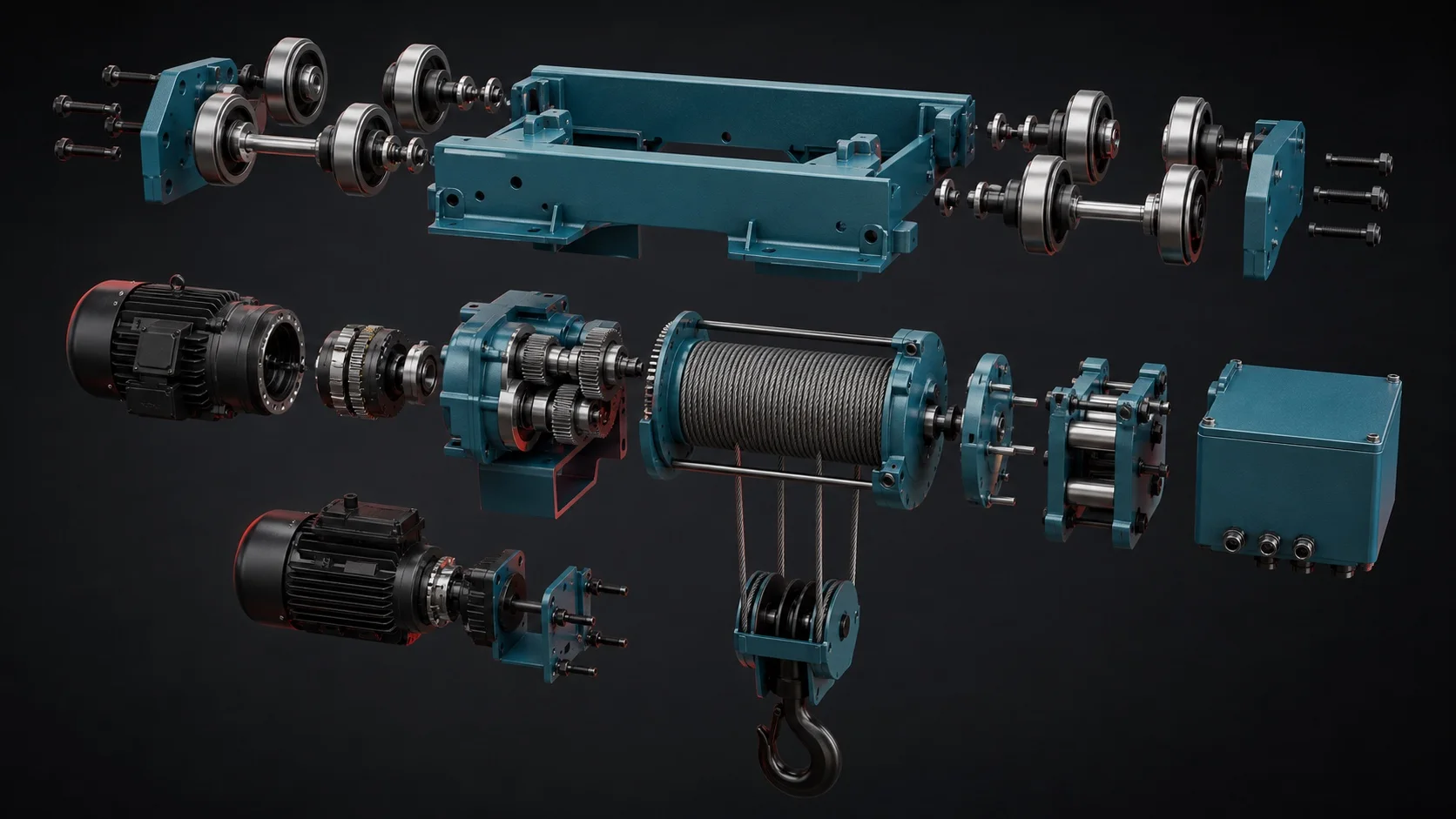
- 01
- 02
- 03
- 04
- 05
Six mechanisms.
Six clear jobs.
Mechanism is the stable product axis. Fixed suspension, trolley travel, low headroom, special protection and control are configurations applied after the family is clear.
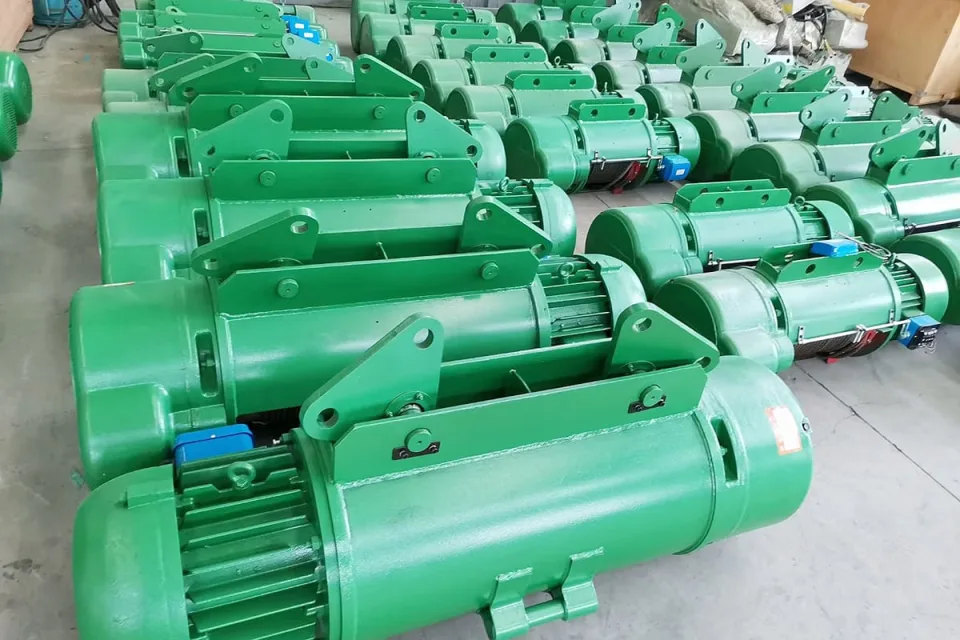
Electric Wire-Rope Hoists
Electric wire-rope hoists for crane, monorail and fixed-point lifting arrangements.
- Fixed, monorail and trolley arrangements
- Standard and low-headroom configurations
- Duty, lift, reeving, speed and control selected together
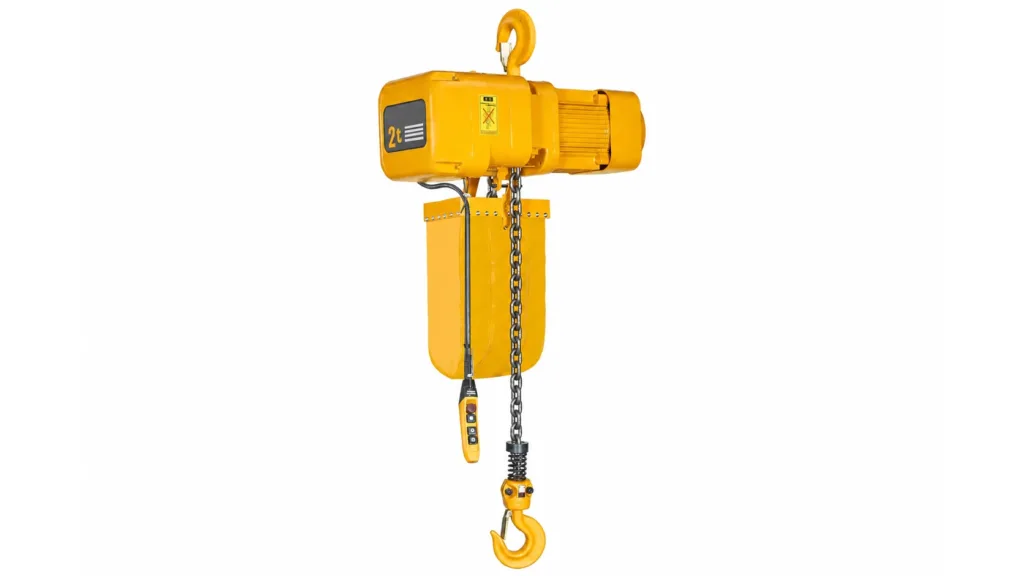
Electric Chain Hoists
Compact electric chain hoists for local lifting, workstation and maintenance duties.
- Compact fixed or travelling point lift
- Workstation, jib, monorail and maintenance duty
- Chain container, suspension, trolley and controls configured to the task
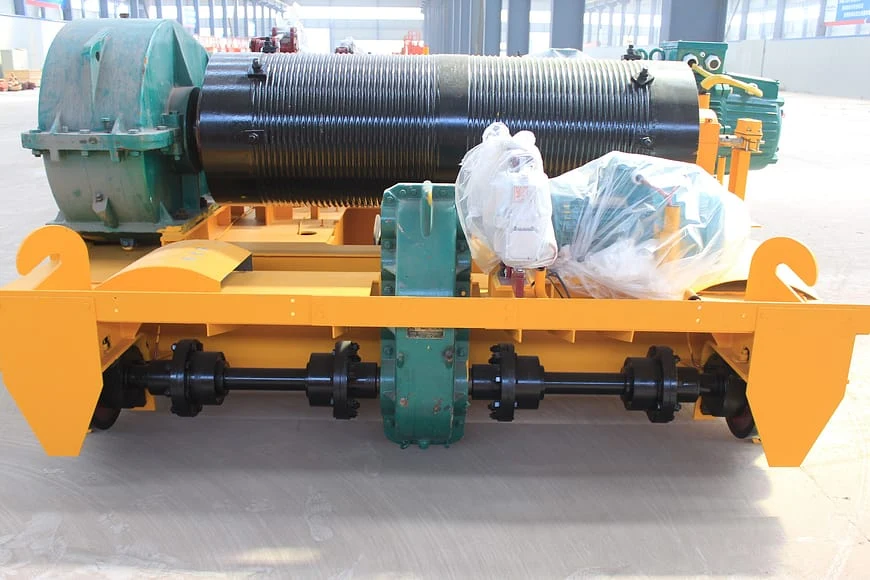
Open Winch
Configurable open-hoist and winch units for higher-duty or specialised crane arrangements.
- Built-up drum, brake, drive and reeving architecture
- Integrated crane trolley and structural interfaces
- Higher-duty, specialised or redundancy-led configuration
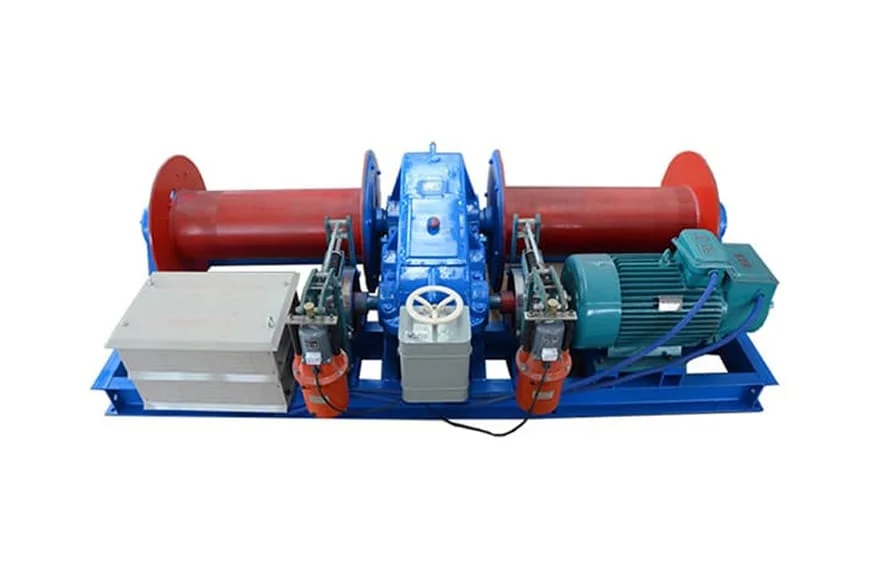
Standalone Electric Winches
Standalone electric winches for defined pulling or lifting duties and installation interfaces.
- Defined lifting or pulling duty
- Independent rope path, anchorage and fleet-angle review
- Foundation, guarding, brake and load-holding interfaces
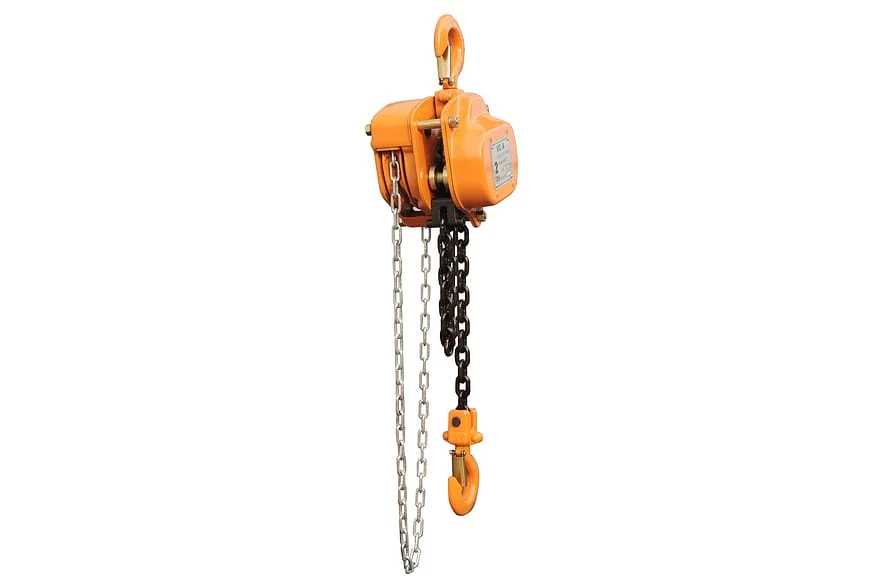
Manual Hoists
Manual chain and lever hoists for maintenance, erection and intermittent lifting tasks.
- Manual chain block and lever-hoist tasks
- Maintenance, erection and intermittent lifting
- Suspension, hand effort, access and load control reviewed
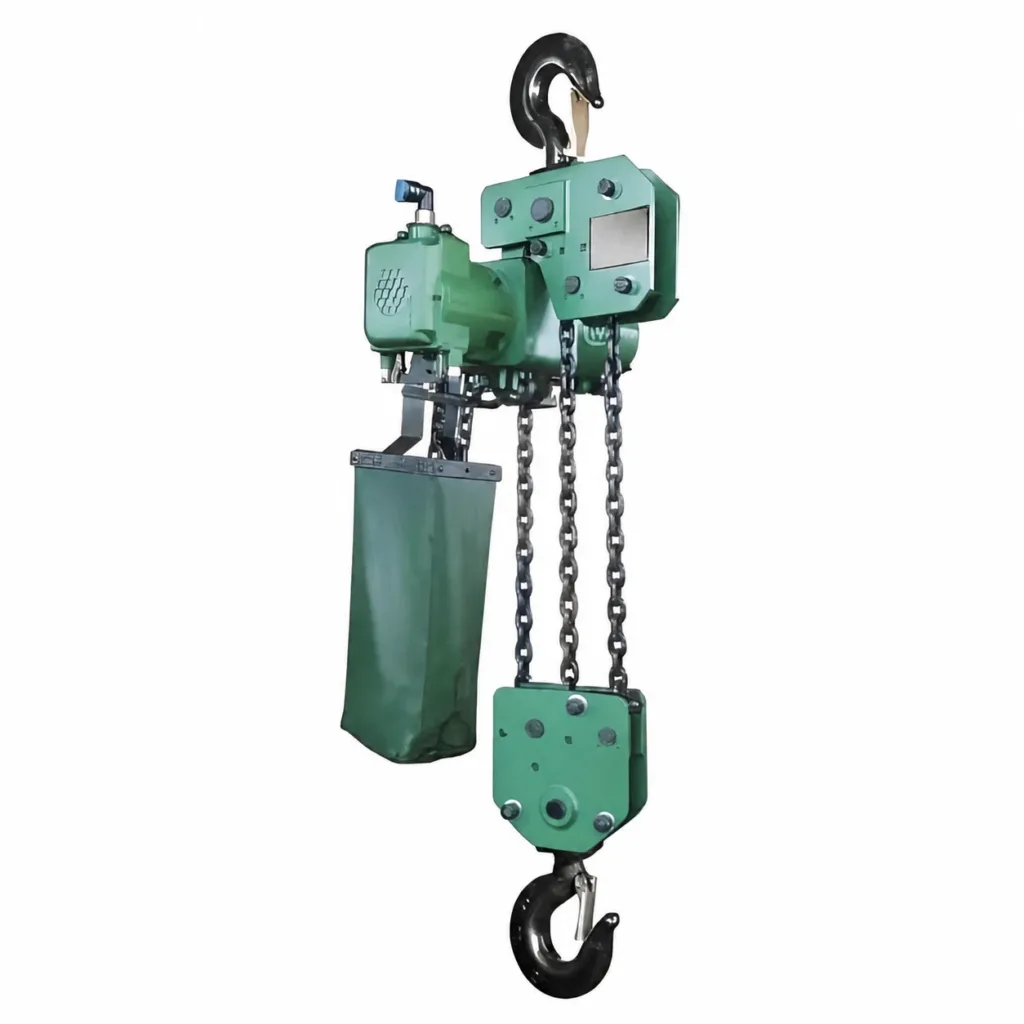
Pneumatic / Air Hoists
Air-powered hoists for project-specific operating and environmental requirements.
- Air-powered fixed or travelling lift
- Frequent starts and project-specific operating conditions
- Air quality, pressure, hose routing and control assessed
Compare the mechanism.
Then configure it.
This table separates the six product families by job and installation boundary. It is not a sizing table and does not turn every option into another product category.
Three decisions.
One configured unit.
The sequence narrows the product family and its interfaces. It does not loop through duplicate task cards or make the buyer translate vague marketing labels.
Begin with the work the lifting mechanism must repeat. 01How heavy, how high, how often—and how precisely must the load move?
Capacity alone cannot select the mechanism. Lift, starts, operating time, speed range, positioning, load spectrum and the consequence of a stopped lift establish the first credible family boundary.
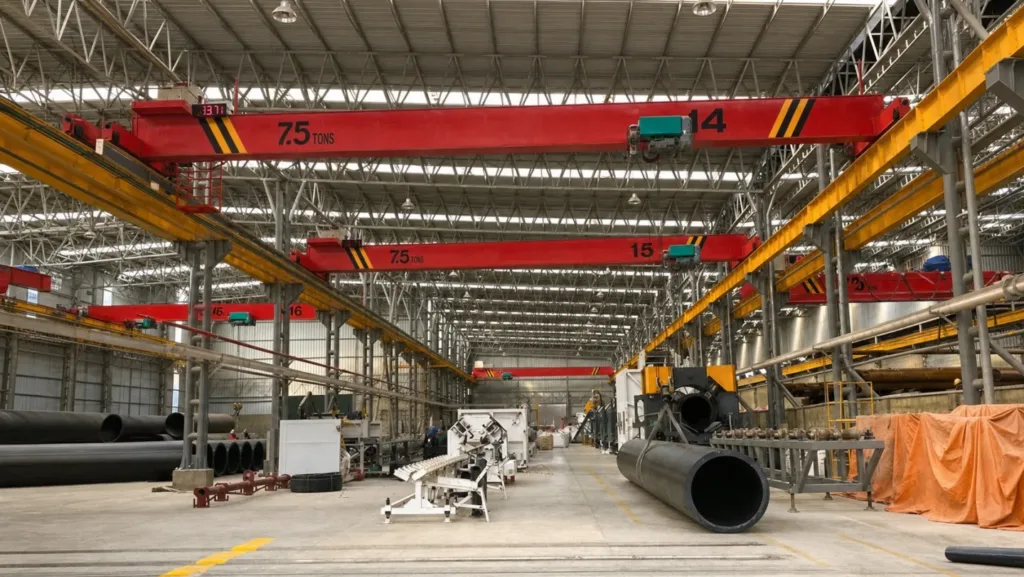
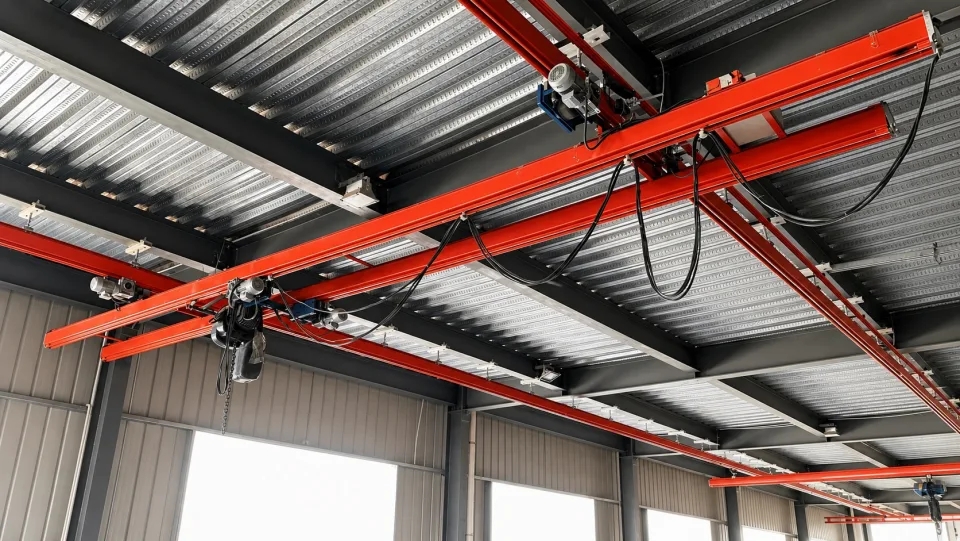
Fit the mechanism to a verified support and working envelope. 02Is the lift fixed, beam-travelling or crane-integrated—and what headroom exists?
Support capacity, beam and rail geometry, hook approach, headroom, lift path, trolley travel, access and existing interfaces determine whether a standard suspension, low-headroom trolley, open-hoist unit or separate winch is credible.
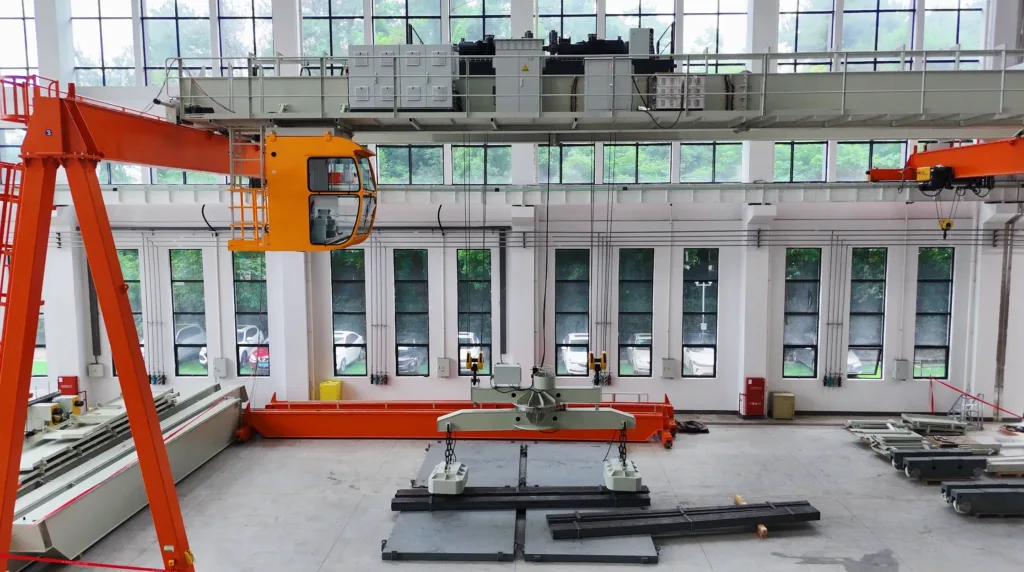
Close the selection around the real operating environment. 03Which power source, control behaviour and evidence must the supplied unit carry?
Electrical supply or compressed air, operator position, travel control, protection functions, environment, destination-market requirements and acceptance records must be defined for the configured equipment—not added as a generic label later.
Family first.
Configuration second.
These choices change the supplied unit, but they do not create competing product families. The same rule keeps the CMS, navigation and future detail pages maintainable.
- 01
Fixed, hook-suspended or trolley-mounted.
Support point, beam or rail geometry, travel distance, wheel loads and power delivery configure the selected mechanism.
- 02
Standard, low-headroom or purpose-engineered.
Hook approach, available height, lift, rope or chain path and maintenance access establish the physical arrangement.
- 03
Protection is configuration-specific.
Hazard, temperature, cleanliness, corrosion, insulation and destination-market evidence apply to the named configuration and supplied scope.
Questions buyers ask.
Before selecting.
These are the questions that usually change the product family, support interface, quotation basis or evidence package—not generic catalogue definitions.
01Should we choose a wire-rope hoist or an electric chain hoist?
Choose from the lift and operating task, not from capacity alone. Electric chain hoists are often a compact fit for local, workstation and maintenance lifting. Wire-rope hoists become more credible as lift height, duty, speed range, reeving or crane travel requirements increase. We compare the load spectrum, starts, operating time, headroom, hook approach, travel and required positioning before recommending either family.
02When do we need an open-hoist unit instead of a packaged hoist?
An open-hoist unit is appropriate when the mechanism must be engineered into a crane trolley around higher duty, specialised reeving, multiple drives or brakes, redundancy, maintenance access or unusual structural interfaces. It is not simply a larger packaged hoist. The drum, rope path, brakes, gearbox, motors, trolley structure, controls and proof plan are treated as one crane mechanism.
03What is the difference between a hoist and a standalone winch?
A hoist suspends and controls a load through its defined hook and reeving arrangement, commonly from a fixed point, monorail or crane trolley. A standalone winch is installed around a separately engineered rope route and may lift or pull. Its line pull, rope layers, fleet angle, sheaves, anchorage, foundation, guarding, braking and load-holding case therefore need their own project review.
04Can a new hoist use our existing beam, monorail or crane?
Possibly, but the existing support cannot be accepted from beam size or nominal capacity alone. We need the beam or rail section, span and support details, trolley geometry, wheel loads, clearances, power supply, travel limits, duty history and equipment condition. The result may be a compatible replacement, an adapted trolley, local strengthening or a different lifting arrangement.
05What information is enough for an initial hoist or winch review?
Send the load and attachment, required lift or rope travel, fixed or travelling route, available headroom, intended cycles, preferred speeds, power supply, operating environment, destination country and photographs or drawings of the support. Unknown values can remain open; the first review identifies which gaps affect product family, interfaces, price basis, conformity evidence or delivery scope.
Send the lift.
We define the unit.
A load description, required lift or rope travel, support photograph or drawing, headroom, intended cycles, power and destination are enough to begin. The first review identifies the credible product family, required interfaces and missing evidence.
Define the lifting mechanism- Weight, geometry, centre of gravity and intended attachment
- Vertical lift, pulling route or total rope movement
- Starts, operating time, load spectrum and positioning need
- Beam, rail, crane or foundation evidence and available space
- Electrical or pneumatic supply and required operator behaviour
- Exposure, protection and destination-market evidence