
01 · SOLUTIONS / OPERATING CONTEXTS
The load is only
the start.
Material handling becomes a production issue when a load crosses a process boundary: receiving into storage, storage into a machine, a hall into a yard, or packing into dispatch. Start with the route. Define the lifting and transfer roles around it.
- 01
- 02
- 03
- 04
Start with the operation.
Then define the handling roles.
The product name is not the starting point. The material, hand-offs, operating pressures and system boundary determine which equipment and engineering support belong in the discussion.
- 01
The real material.
Define the load form, condition, attachment and any change between receiving and dispatch.
- 02
Every hand-off.
Mark where the load waits, changes equipment, crosses traffic or enters another process zone.
- 03
The operating pressure.
Heat, cold, dust, wind, hygiene, timing, access and redundancy can change the handling concept.
- 04
The system role.
Separate equipment, structure, controls, interfaces, recovery and acceptance before defining supply scope.
Where does the flow
break down?
Each industry has its own material, timing, access and hand-off conditions. Select one to inspect the process moments that define the handling discussion.
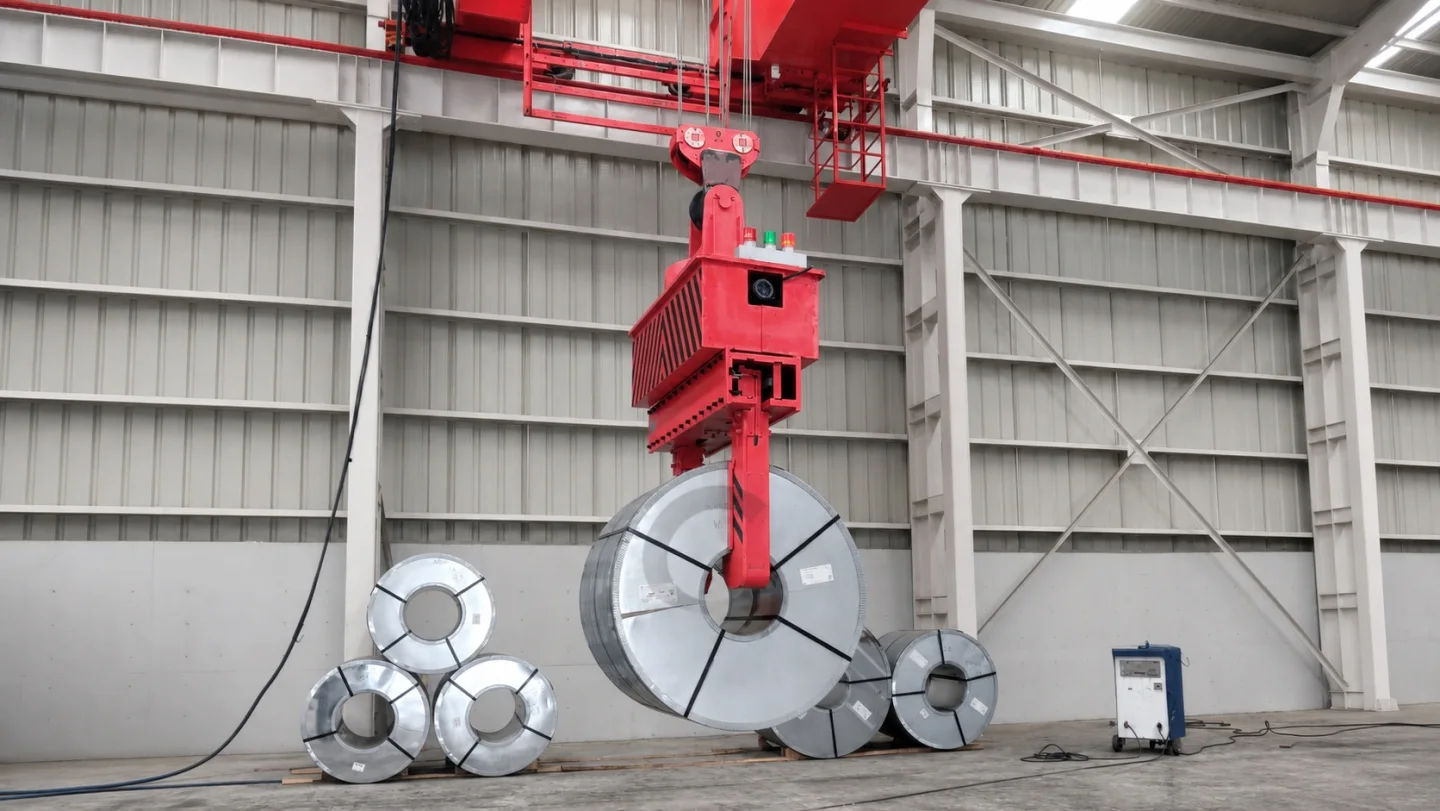
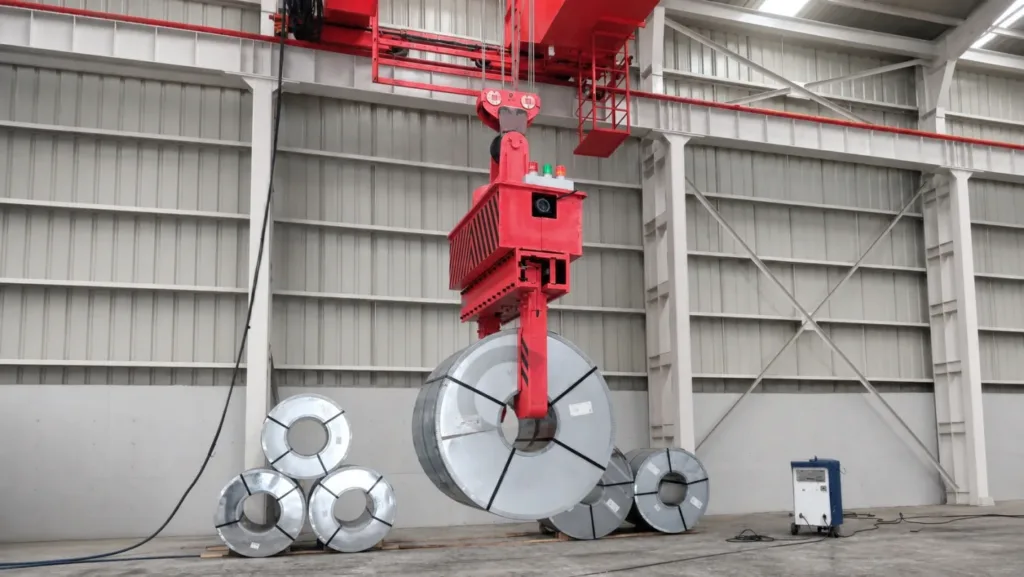 Steel Mills & Metal ProcessingReceiving, processing, inter-bay transfer and dispatch all change how coils, plate and long products should move.
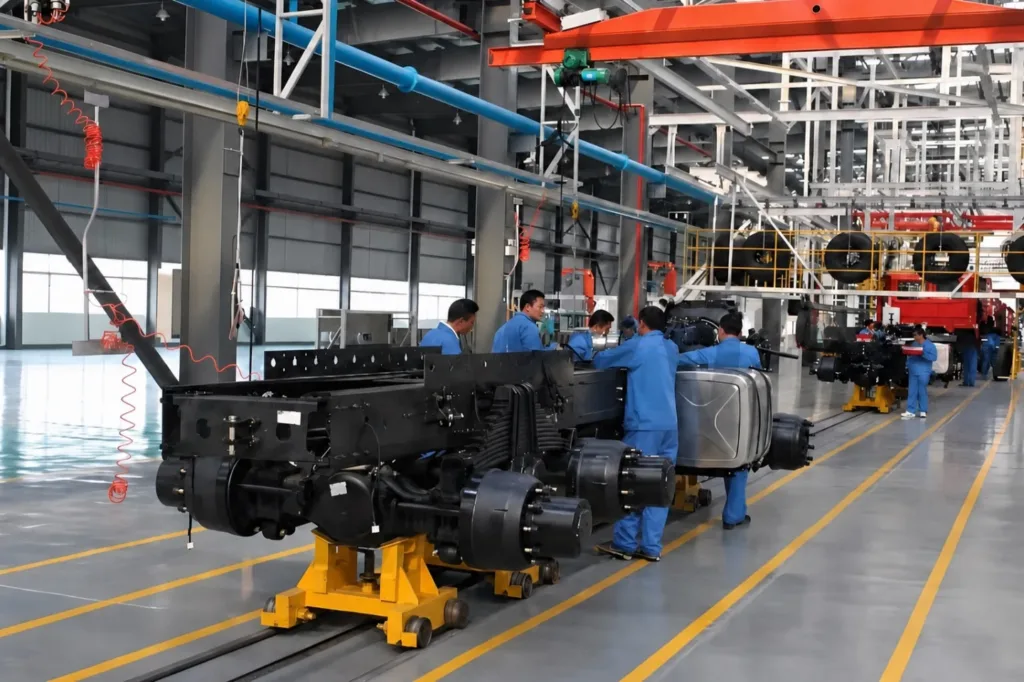 Automotive & Assembly ManufacturingTool readiness, line-side presentation, inter-zone hand-offs and maintenance access decide whether flow keeps pace.
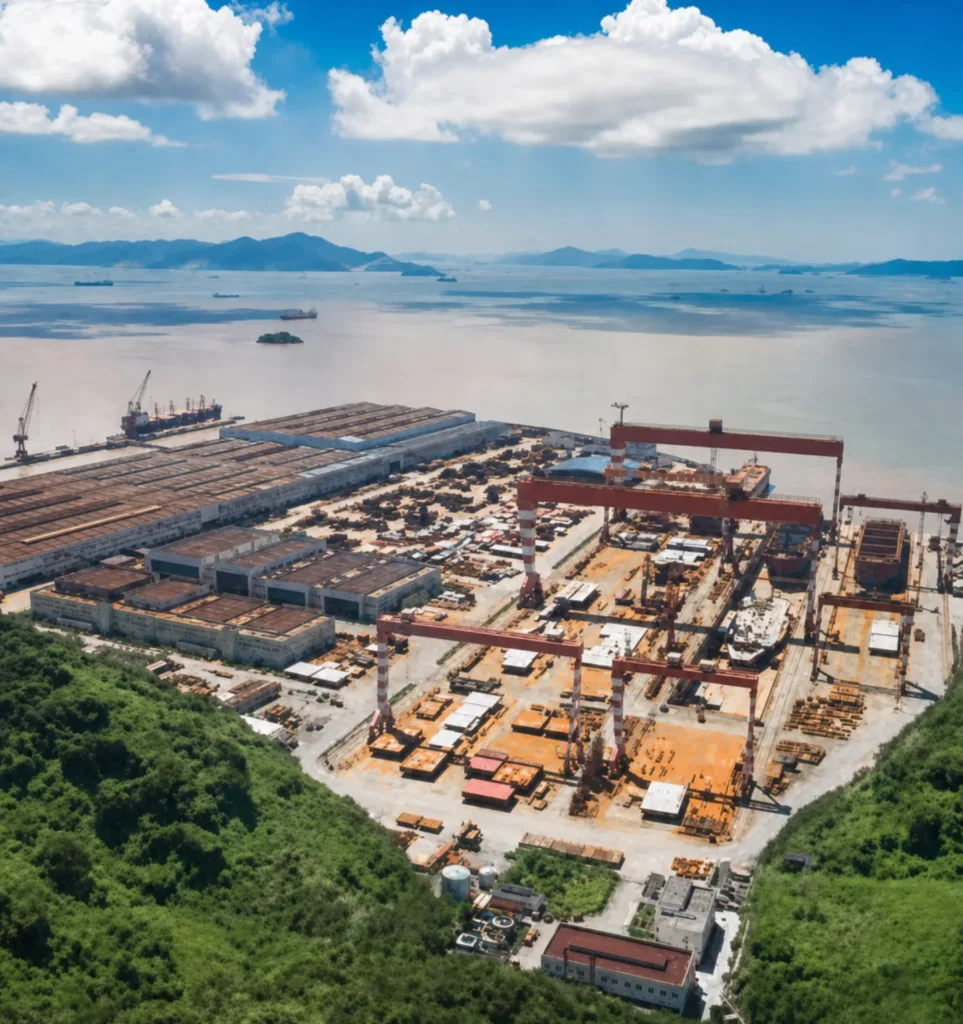 Shipyards & Marine FabricationPlate fabrication, block assembly, hall-to-yard transfer and outfitting each create a different movement boundary.
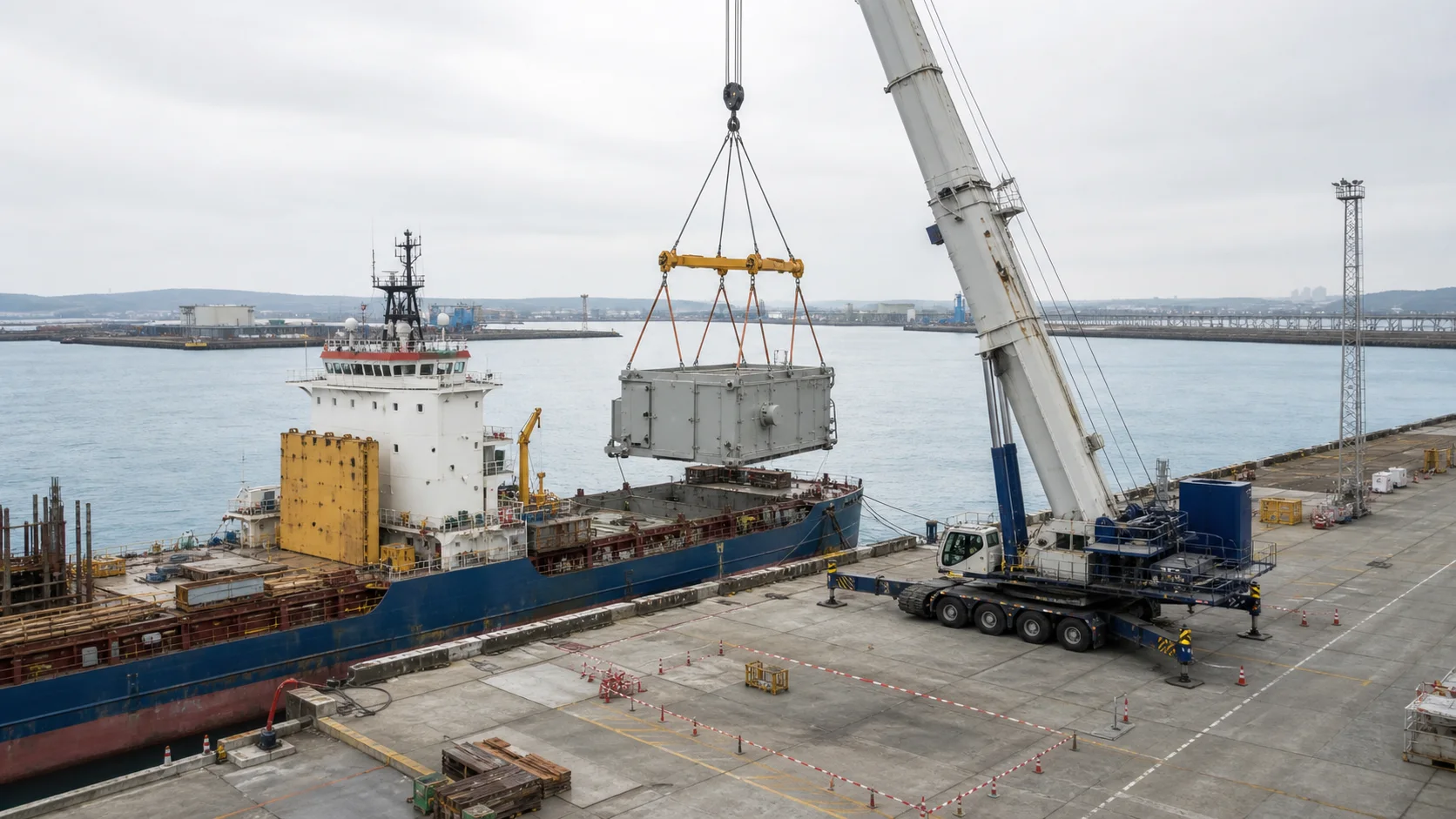
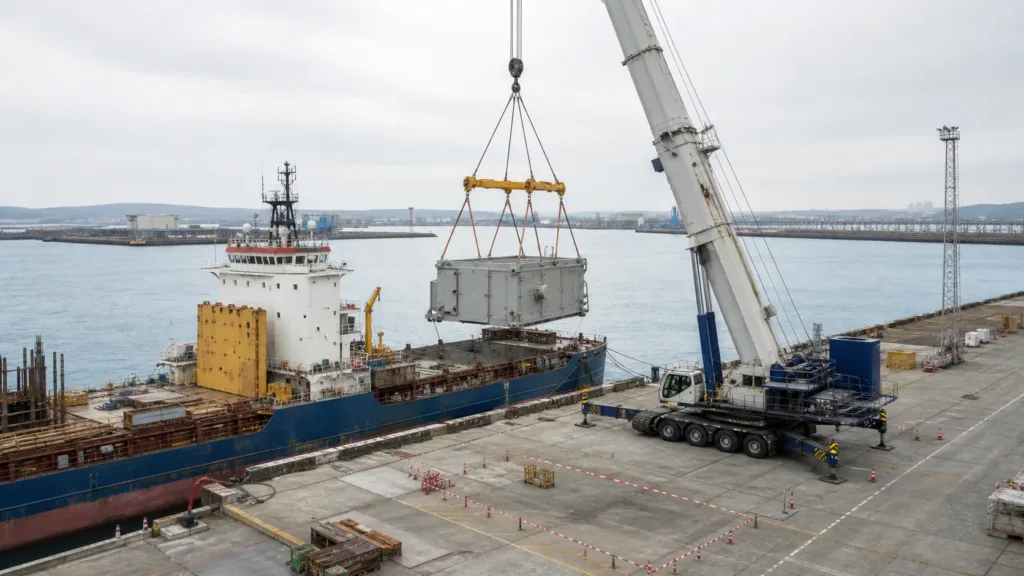 Ports & Marine TerminalsVessel interface, quay transfer, yard storage and landside hand-off define whether each cargo stream can move safely and predictably.
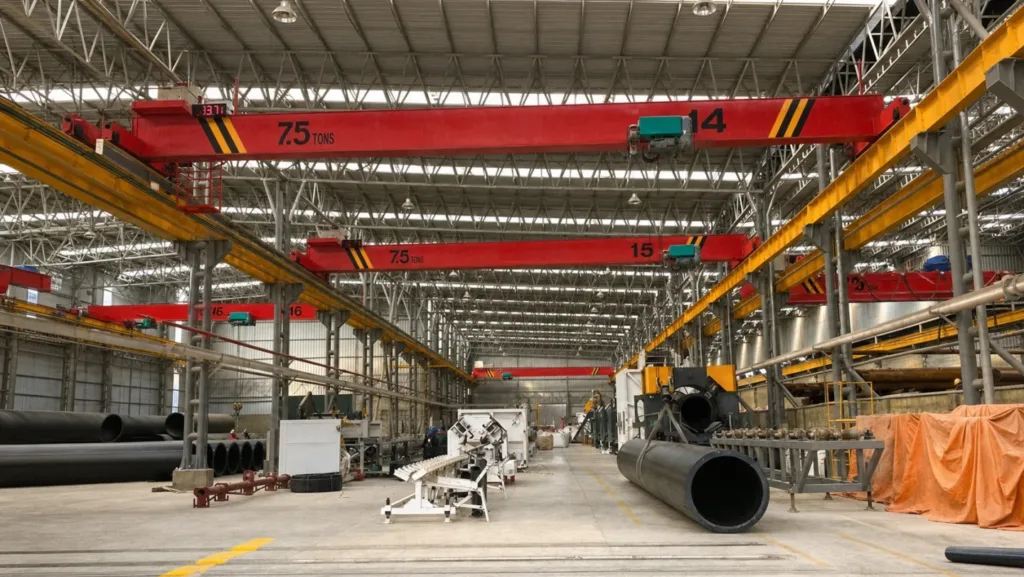 Machinery Manufacturing & Service WorkshopsReceiving, machine service, precision assembly and repair routes make access and positioning as important as lift.
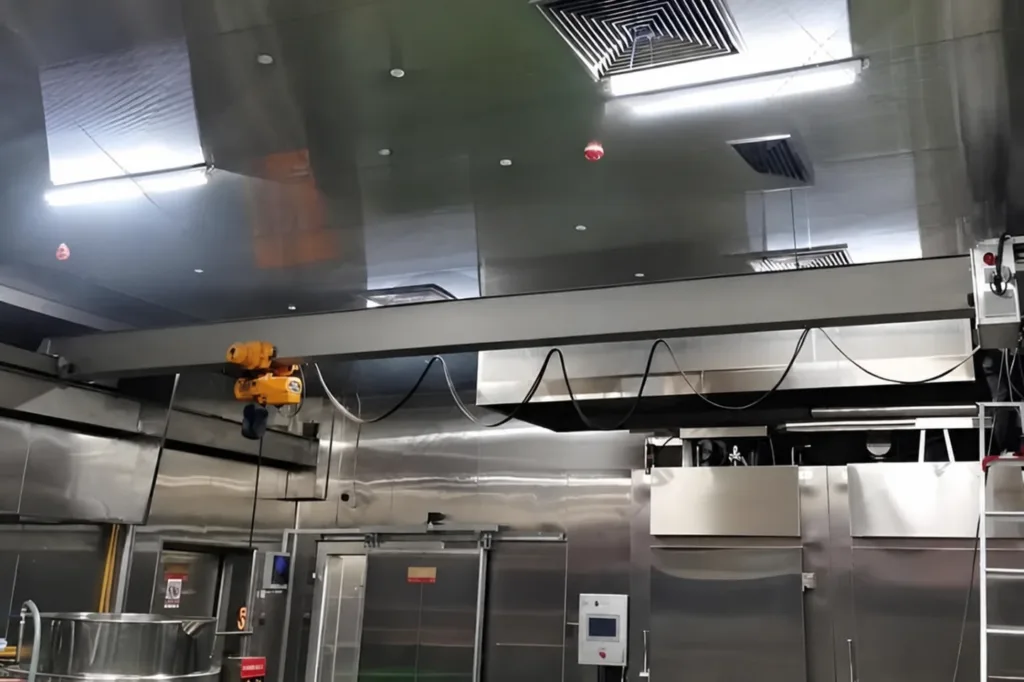 Food & Beverage ProcessingMaterial condition, cleaning access, short maintenance windows and packed-product flow shape the work.
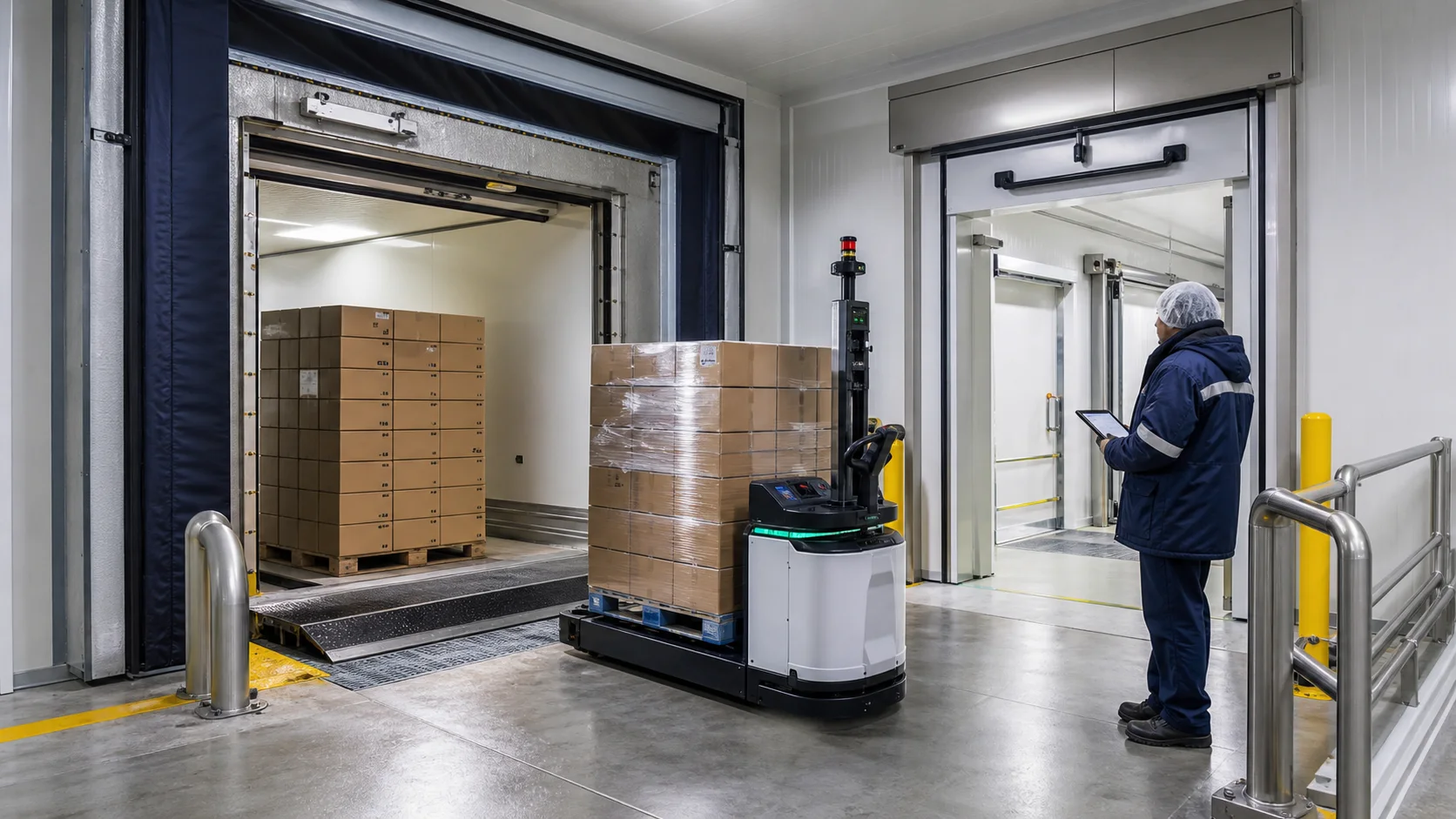
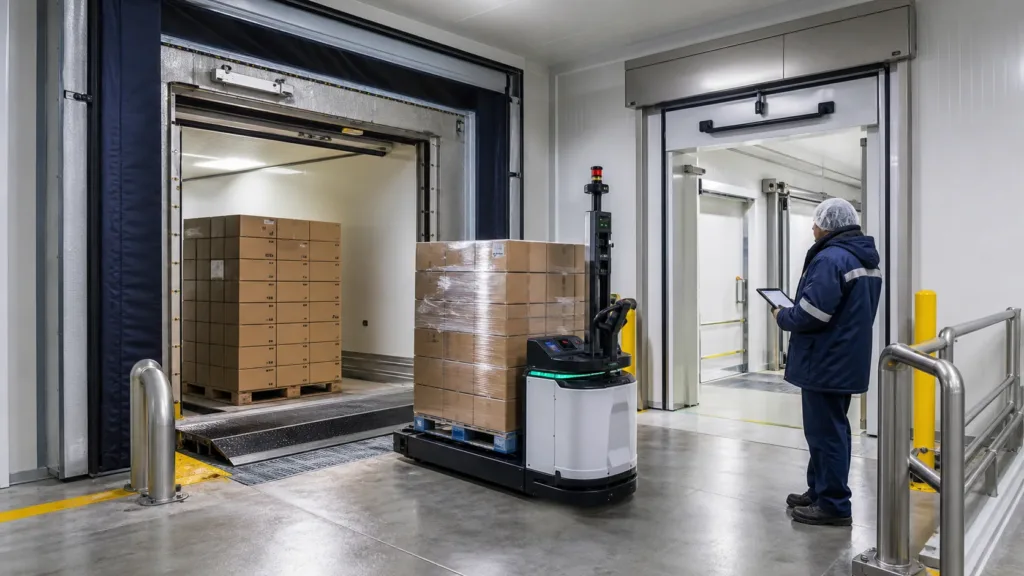 Cold-Chain Storage & DistributionTemperature-controlled receiving, zone transfer, storage and dispatch must preserve product condition without exposing people or flow to avoidable delay.
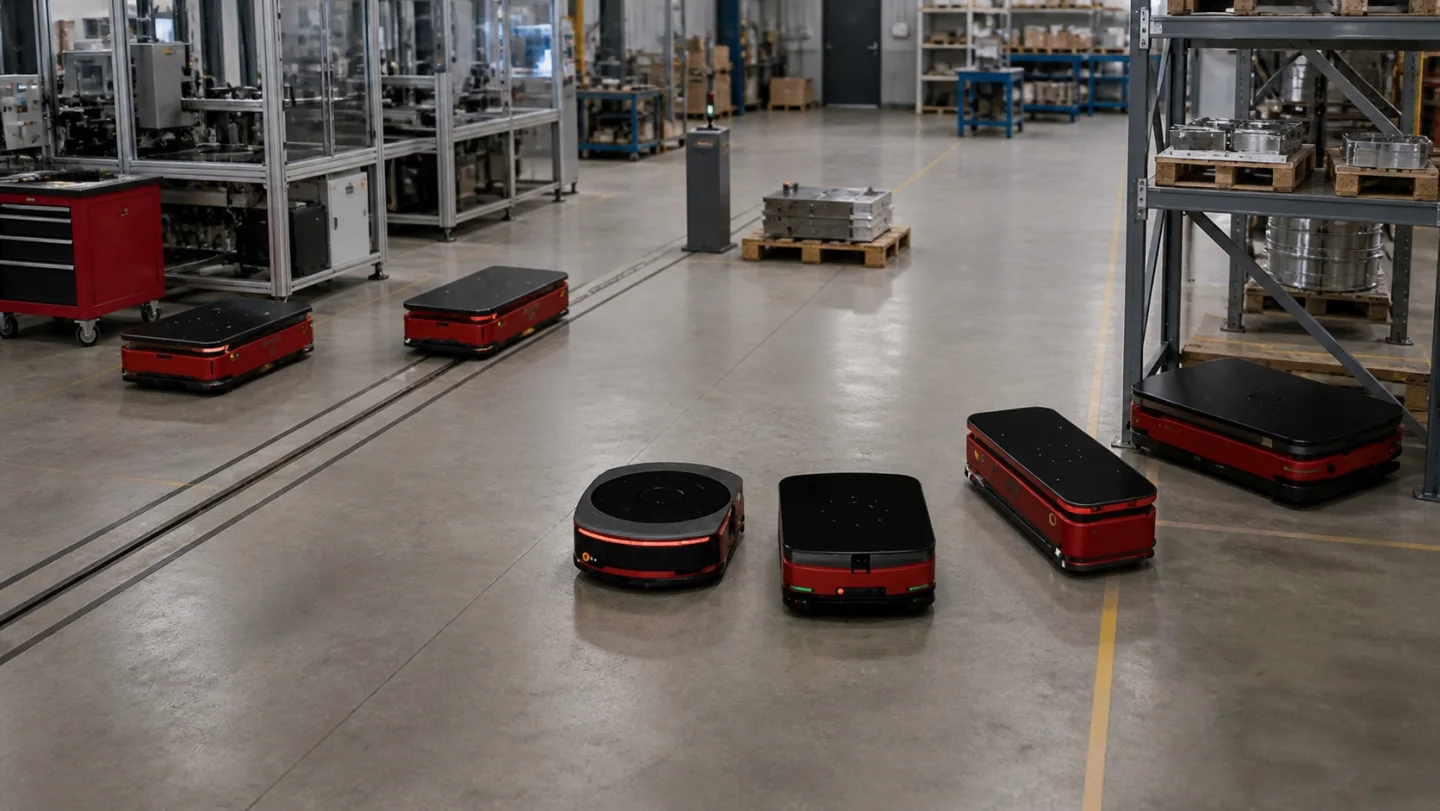
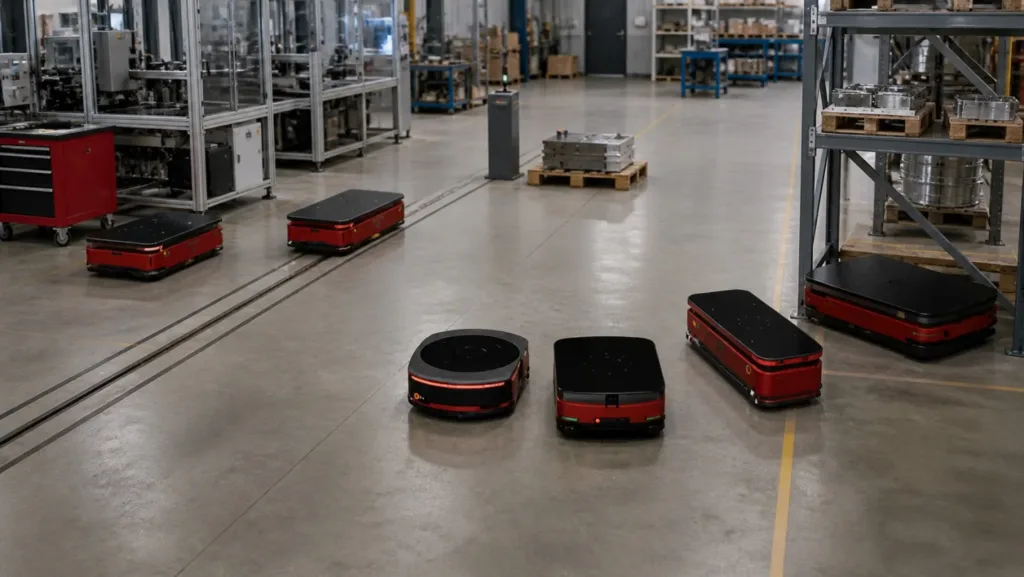 Warehousing, Distribution & IntralogisticsInbound verification, replenishment, consolidation and dock hand-off determine whether inventory moves predictably.
MAKE THE LIFT FIT THE WORK, NOT THE OTHER WAY AROUND.
In a machinery shop, lifting is often a precision-access problem. The right route keeps machining, assembly and repair usable around the load.
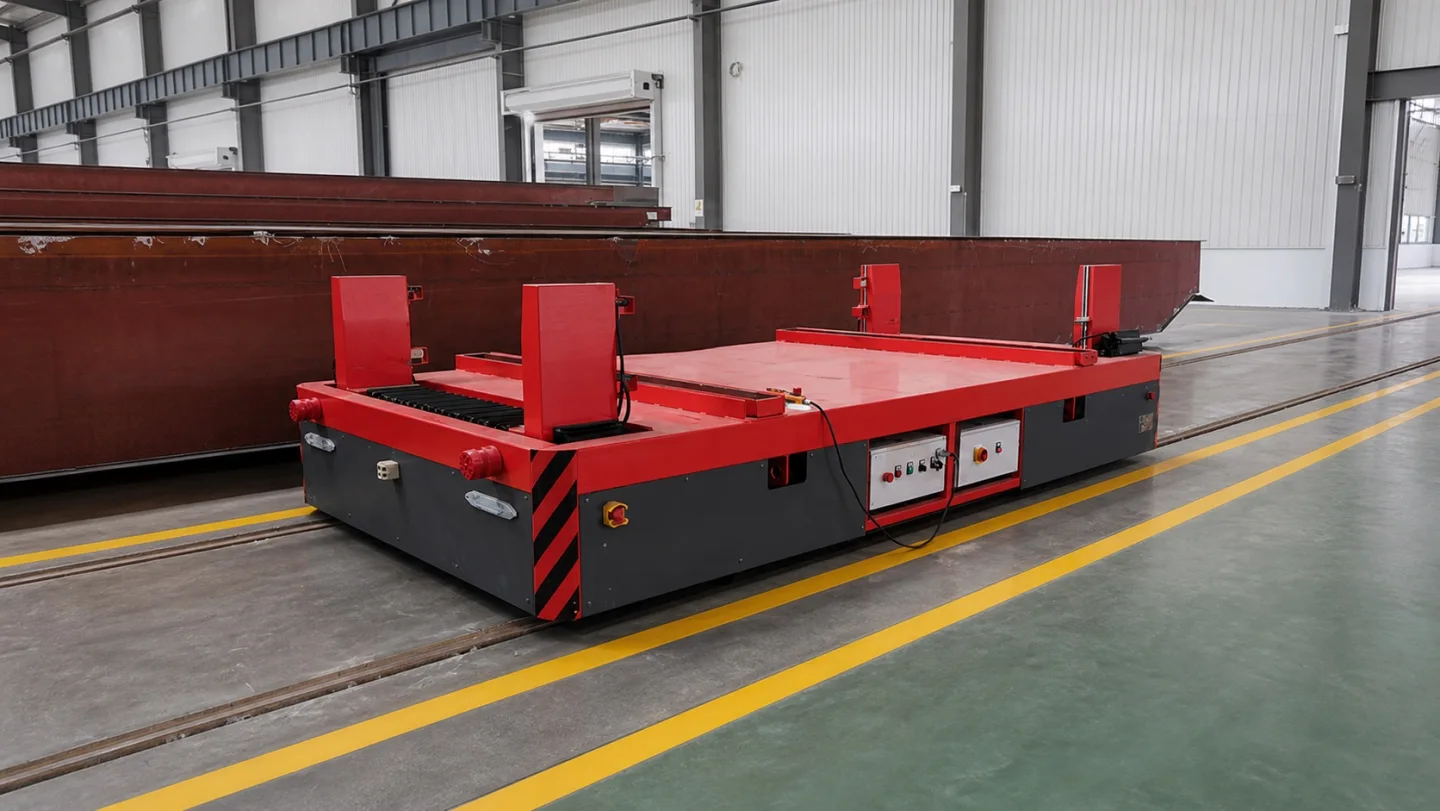
START WITH THE COMPONENT'S CONDITION ON ARRIVAL.
Castings, motors and bought-in assemblies must be unloaded, inspected and brought into production without using inspection space as a traffic lane. Lifting point quality, machined surfaces, temporary support and the route to the first work cell are the meaningful inputs.
Discuss receive components- Castings / housings / motors
- Receiving → inspection → first work cell
- Surface protection & inspection access
- Arrival condition
- Centre of gravity
- Packing removal
- Inspection station
- Laydown support
- Route to production
Receiving-bay coverage, local handling at inspection and a transfer route between stock and work.
PRESENT THE PART INSIDE THE MACHINE'S WORKING ENVELOPE.
Machine tools and fabrication cells need parts delivered without asking operators to reach, drag or improvise around guarding. Can the part enter the fixture in the correct orientation? Can the lift clear doors and tooling? Can adjacent work continue while the cell is served?
Discuss serve machines- Machined parts / fixtures / tools
- Stock → machine cell → output
- Door clearance & fixture orientation
- Machine-door opening
- Fixture height
- Required orientation
- Operator zone
- Cycle pattern
- Headroom
Jib or workstation coverage, compact hoist path and an ergonomic handling review.
ALIGN HEAVY PARTS WITHOUT CLOSING THE ASSEMBLY BAY.
Shafts, gearboxes, housings and frames need controlled placement while teams align, fasten and test the machine. Travel range, fine positioning, temporary suspension and test-bay clearance influence the real operating sequence.
Discuss assemble & test- Gearboxes / shafts / frames
- Assembly → alignment → test
- Positioning & shared bay access
- Assembly sequence
- Alignment tolerance
- Component interfaces
- Test-bay envelope
- Shared hooks
- Temporary hold
Overhead assembly coverage, multiple local workstations and a positioning/control discussion.
REMOVE, REBUILD AND RETURN WITHOUT CREATING A DEAD END.
Service shops extract failed assemblies, move them to a rebuild zone and return them through constrained access. This maintenance route needs a stable temporary support, safe isolation and a practical recovery route if the normal opening is unavailable.
Discuss repair route- Failed assemblies / service modules
- Machine → rebuild bench → return
- Isolation, access & recovery
- Removal sequence
- Safe isolation
- Access opening
- Component condition
- Bench interface
- Return route
Service-bay bridge or jib coverage and targeted modernisation of known access limitations.
WHY THIS INDUSTRY NEEDS ITS OWN HANDLING LOGIC.
Machinery manufacturing and service workshops handle fewer identical cycles than a production line, but the lifts are often more varied and access-sensitive. Castings arrive for inspection, parts enter guarded machine tools, assemblies need controlled alignment, and damaged components must be removed through the same constrained openings used for installation.
That makes approach, headroom, hook coverage and fine positioning central to the concept. Local systems should serve the task without filling the workshop with columns or restricting machine doors, while the bay-level system moves larger assemblies between work, test and dispatch.
- 01
VARIABLE COMPONENTS
Castings, shafts, gearboxes and completed machines have different pick points and support needs.
- 02
CONSTRAINED ACCESS
Machine guarding, doors, pits, benches and installed pipework determine the usable hook path.
- 03
PRECISION AND TECHNICIAN ACCESS
Alignment work needs low-speed control while people retain space around the component.
Four moments.
One material flow.
Use the route below as a first technical map. Each moment changes what needs to be measured, protected, timed or handed over.
START WITH THE COMPONENT'S CONDITION ON ARRIVAL.
Castings, motors and bought-in assemblies must be unloaded, inspected and brought into production without using inspection space as a traffic lane. Lifting point quality, machined surfaces, temporary support and the route to the first work cell are the meaningful inputs.
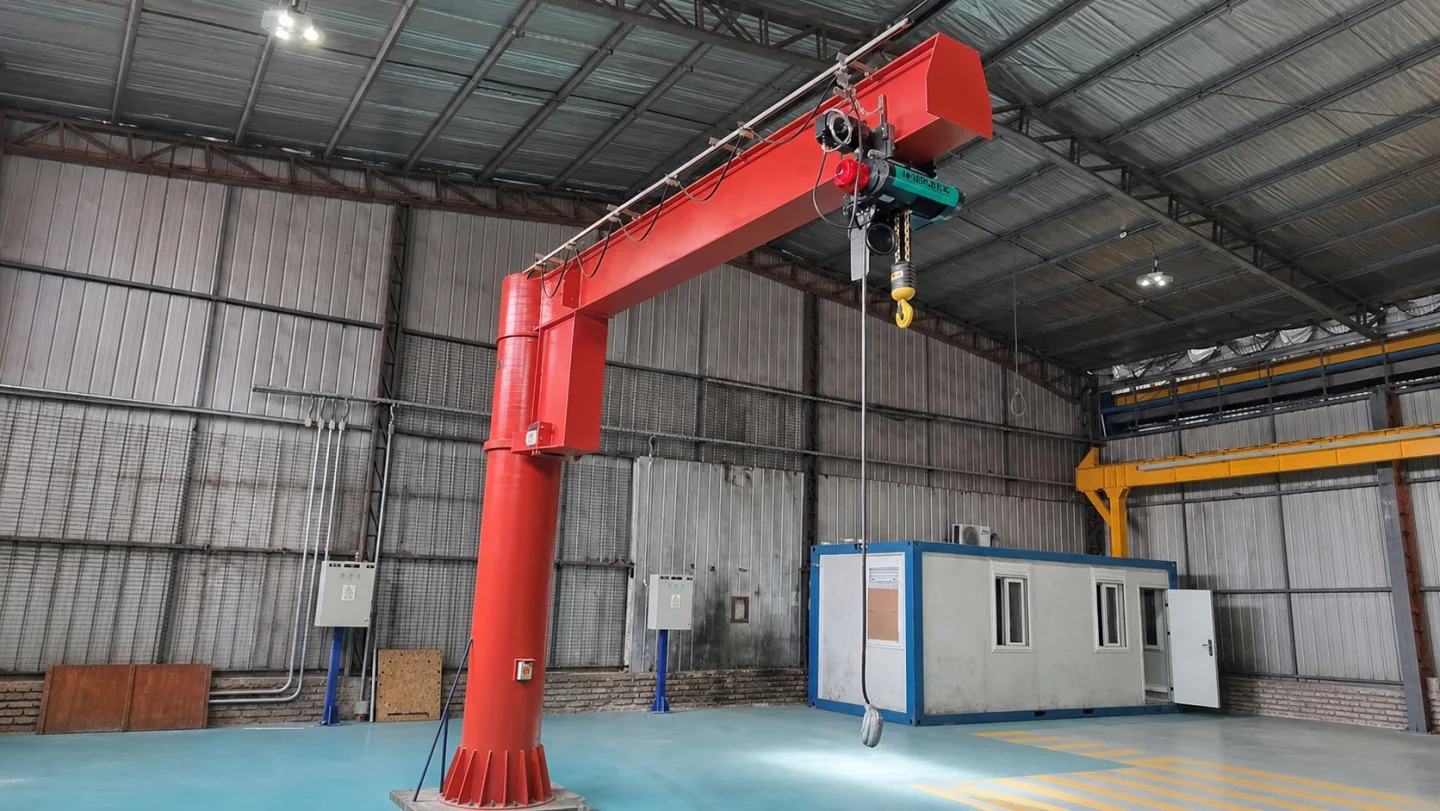
PRESENT THE PART INSIDE THE MACHINE'S WORKING ENVELOPE.
Machine tools and fabrication cells need parts delivered without asking operators to reach, drag or improvise around guarding. Can the part enter the fixture in the correct orientation? Can the lift clear doors and tooling? Can adjacent work continue while the cell is served?
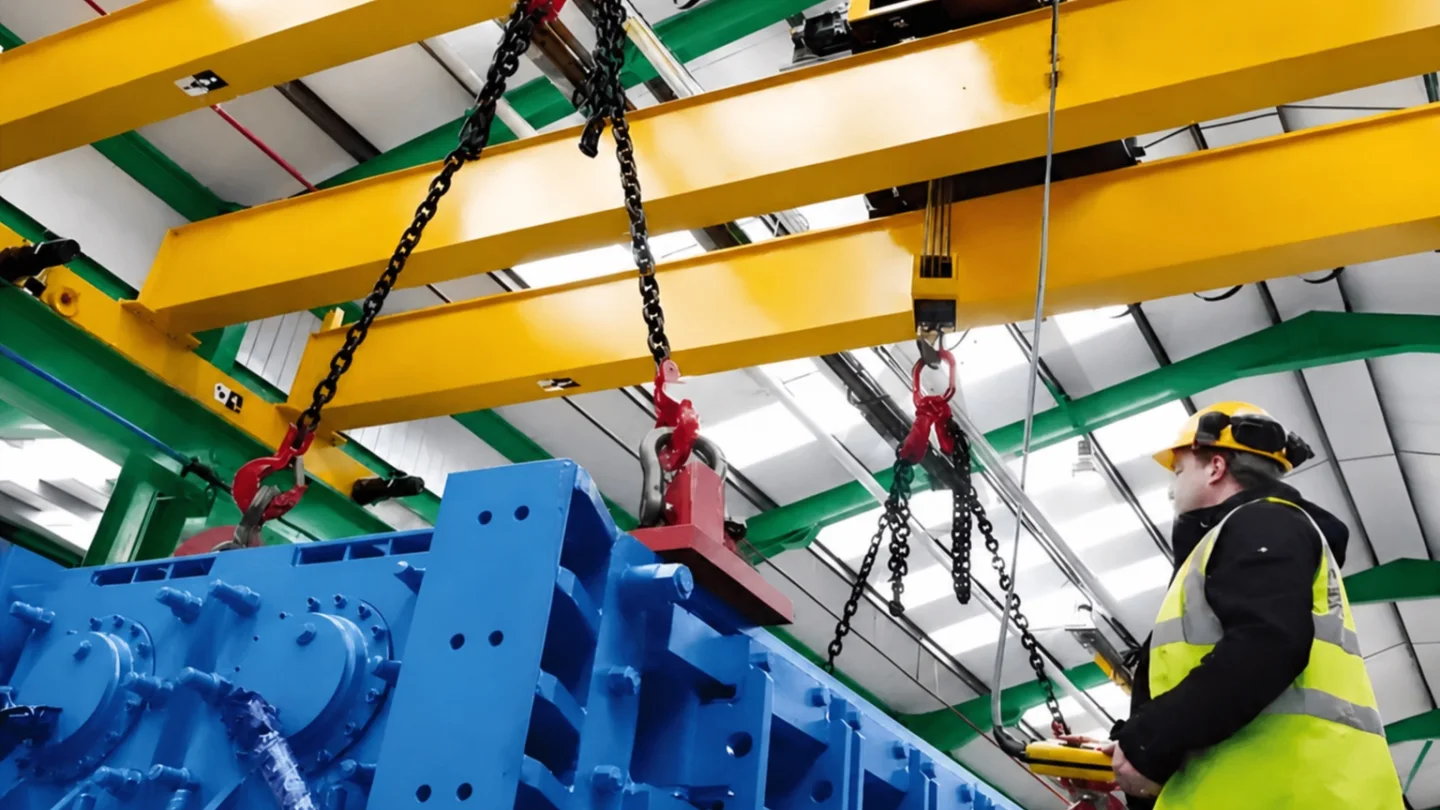
ALIGN HEAVY PARTS WITHOUT CLOSING THE ASSEMBLY BAY.
Shafts, gearboxes, housings and frames need controlled placement while teams align, fasten and test the machine. Travel range, fine positioning, temporary suspension and test-bay clearance influence the real operating sequence.
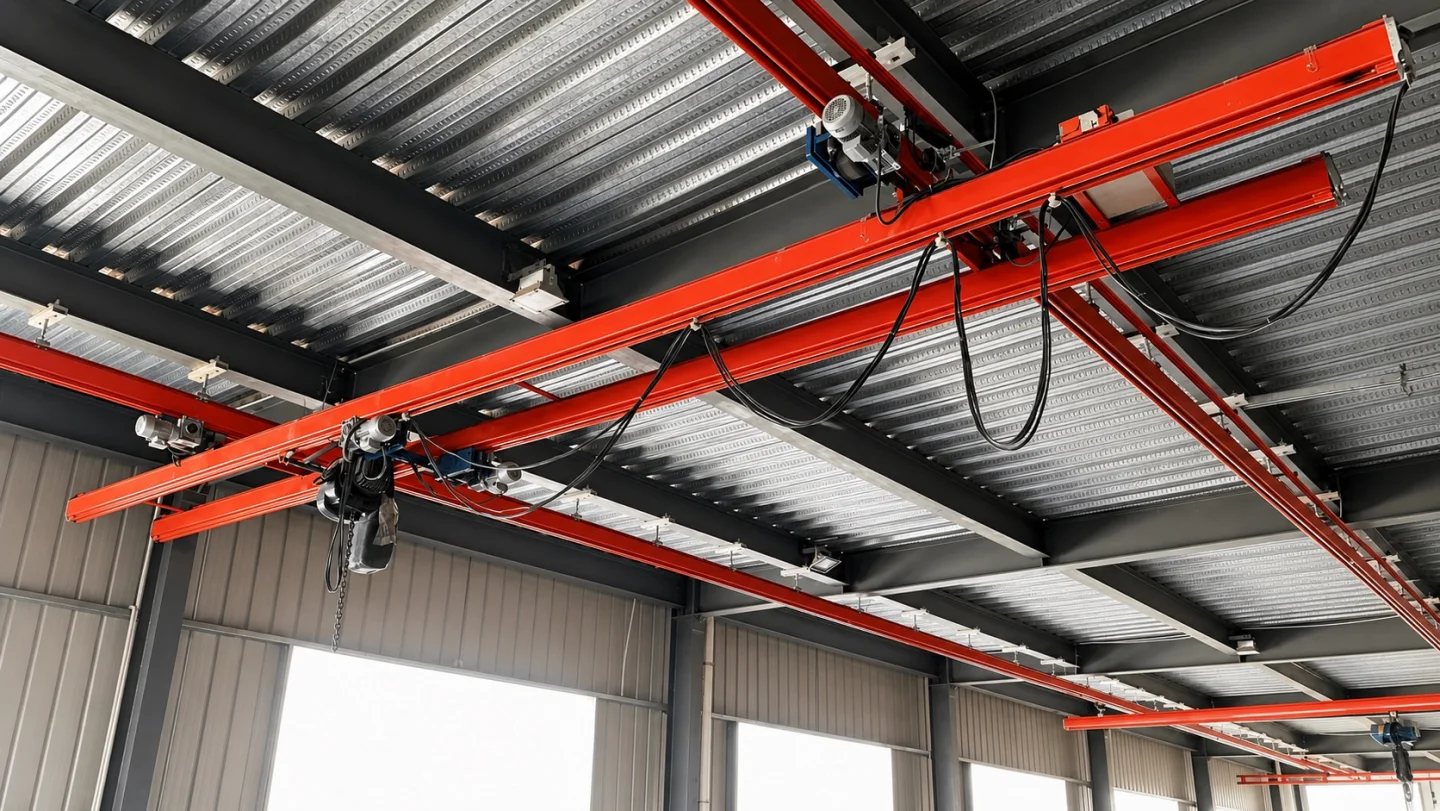
REMOVE, REBUILD AND RETURN WITHOUT CREATING A DEAD END.
Service shops extract failed assemblies, move them to a rebuild zone and return them through constrained access. This maintenance route needs a stable temporary support, safe isolation and a practical recovery route if the normal opening is unavailable.
What changes
the concept?
- A
COVERAGE HIERARCHY
Separate bay transport from workstation lifting so each system matches its real task.
- B
APPROACH GEOMETRY
Check hook approach, headroom, machine opening and the path from support stand to fixture.
- C
FINE POSITIONING
Define the speed, control and temporary hold required during alignment and fastening.
- D
SERVICE ROUTE
Verify the removal sequence and rebuild-bench hand-off before fixing the local lifting position.
Choose the equipment.
Then add the operating constraint.
Explosion protection, cleanliness, electrical insulation, availability, heat and automation can change components, controls, verification and acceptance across more than one product family. Treat these as project requirements, not as separate equipment categories.
Explosion-Protected Lifting
Classified gas or dust zone, group and temperature classChanges permitted motors, brakes, enclosures, wiring, controls, documentation and acceptance evidence.Define this requirement02Clean & Controlled Environment Handling
Cleanliness class, particle limits, material and lubrication restrictionsChanges exposed surfaces, materials, lubrication, enclosure, cleaning access and contamination controls.Define this requirement03Electrically Insulated Lifting
Voltage context, required insulation points and contact riskChanges the insulation architecture, monitoring, component separation and configuration-specific verification.Define this requirement04High-Availability & Redundant Lifting
Failure consequence, required recovery time and maintenance accessChanges drive and brake architecture, fallback states, maintainability and proof of continued availability.Define this requirement05High-Temperature & Molten-Material Handling
Molten or high-temperature load, radiant heat and personnel exposureChanges shielding, cabling, control position, emergency strategy and protection of critical components.Define this requirement06Automation, Remote & Unmanned Operation
Remote or unmanned cycles, system hand-offs and fault recoveryChanges sensing, interlocks, permissions, recovery logic, interfaces and responsibility boundaries.Define this requirementBring the route,
not a perfect spec.
A layout, route sketch, load list, photos or process sequence is enough to begin. The first discussion identifies the operating boundaries, missing inputs and handling roles worth evaluating.
MAP YOUR HANDLING ROUTE- Form, dimensions, condition, attachment and stability
- Origins, destinations, waiting points, doors and crossings
- Sequence, buffer, cycle, peak flow and recovery
- Structure, floor, access, temperature, dust, hygiene or wind
- Signals, traffic, responsibility, verification and delivery boundary